Wednesday, September 29, 2021

The Vanishing Half by Britt Bennett


Borrowed book from Overdrive through my New York Public Library online library card. The setting is some small town in Lousiana called Mallard. Riveting, the book revolves around the story of Desiree and Stella, twins growing up poor and could not wait to escape their home town populated by fair-skinned African Americans who could could pass as Caucasians. 

Sunday, June 06, 2021

The Gungo Pea Princess


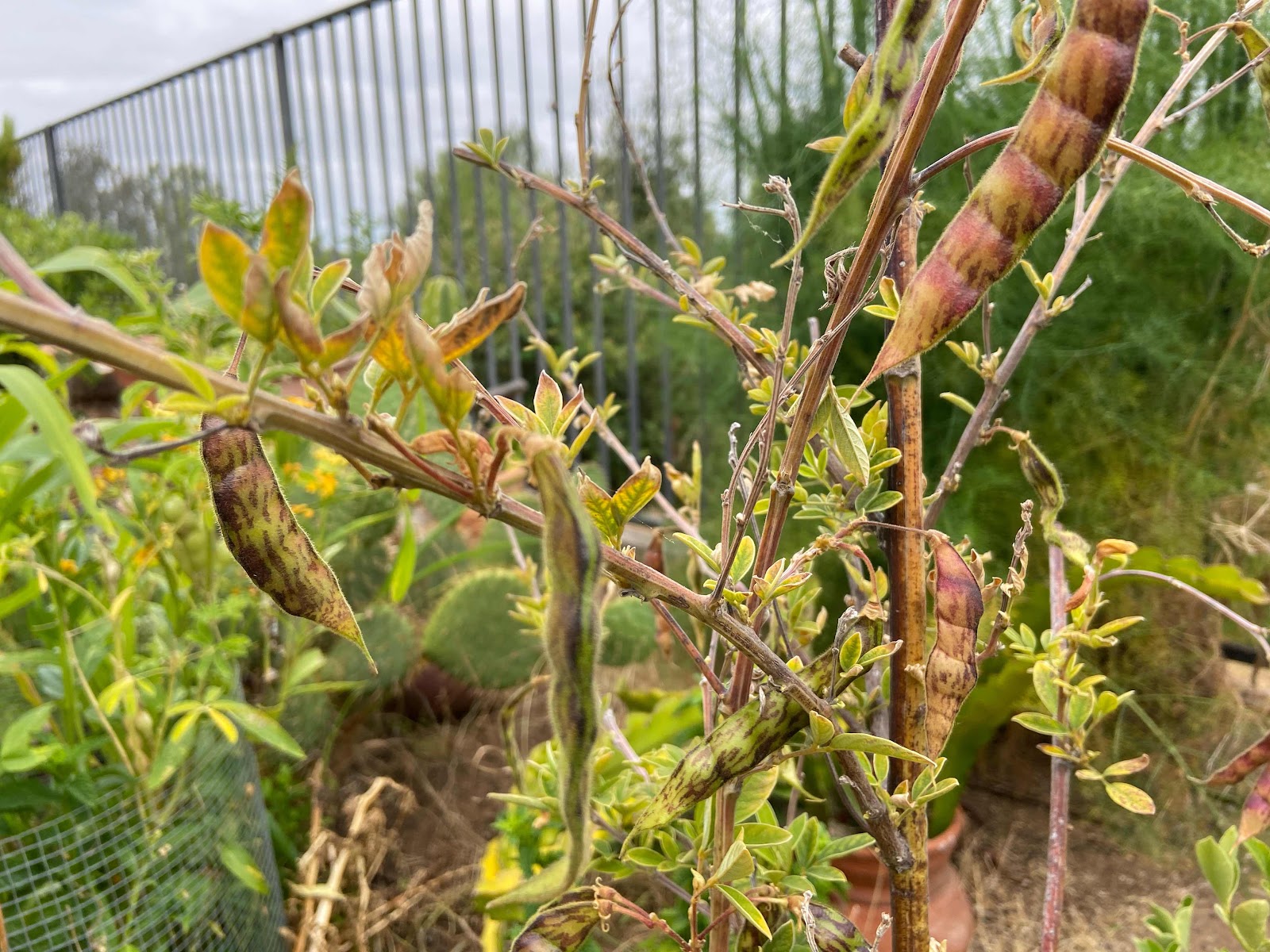
Fairy tales in the olden times can marry off a prince  living with his parents, who happens to be the king and queen  of course, to a wandering princess. Hans Christian Anderson (HCA), in his time, married off a whiny princess on the account of a pea hidden under a pile of mattresses. My twisted version of the "The Pea and Princess"  is for Christine who brought me a pound of gungo ( pronounced as gung-go) peas  from Jamaica as a token  for trading off my work schedule with her so she make the trip. 

Not all fairy tales I know starts with once upon a time so let me tell you about the gungo peas princess.  Gungo  peas are also known as pigeon peas in the US. It's also called "kardis" in the tongue I was born with, in other words, mother tongue or tongue ina. So let me name my gungo princess Cardice as I am reminded of Candice Anderson Smith who had  since moved to Tennesee to live with her brotbers and sisters  in Jesus at the Straightway Church with Pastor Dowell. 

Princess Kardice  did not know she was a real princess untill she was told so by an older couple who claimed they were real royalties of the  Gungo Kingdom. King and Queen and their adult unmarried  son Prince lived in a huge house they called their castle  in a vast ranch somewhere in the Jamaica. 
As HCA's story goes, Kardice came knocking on the front door of the huge house called castle one stormy night after she got lost in what she thought was a wetland preserve. 
"Poor sweetpea!" Queen exclaimed, feeling sorry for Kardice who looked like shit at the time.
Queen asked his son Prince to find some blankets for Kardice as she led the unexpected guest into the dining room.  After Kardice finished  the cup of noodle soup hastily heated by Queen on the microwave oven, she was led into one of the guestrooms by Queen. Prince went back to his bedroom as soon as he gave a blanket to Kardice to get back to his videogames. 
Queen liked Kardice so much for Prince, and so as the HCA story went, she too got several mattresses and stacked them together putting some  gungo peas in between the mattresses. Queen  expected to find out if Kardice was a real princess if she could not sleep because of those gungo peas
underneath the mattresses. 
In the morning at the breakfast table, Kardice still looked like shit from lack of sleep. She kept stifling a yawn. Prince himself looked tired. Queen was pleased knowing that her search for Prince' would-be bride is over. 
"Who me?" Kardice thought Queen was kidding. 
Prince who had yet to tell Queen he is gay looked pissed. 

The reason why Kardice looked tired was because she stayed up all night playing videogames with two other virtual players in Prince' room. Se had to tell Queen that she had an estranged husband deployed in Afghanistan who happens to be the father of her two beautiful children. Queen was disappointed but had to bid goodbye to Kardice that day as she had  to catch a plane back to New York later in the day so she could go back to her job as a licensed vocational nurse at an assisted living facility in Manhattan the following day. 
She was actually surpised to find the same gungo pea that Olga asked  her to bring back from Jamaica under the mattresses that Queen prepared for her to sleep on. Kardice is familiar with HCA's pea and the princess story find and she finds the the fairy tale corny. 

This twisted modern fairy tale is for Christine, one Carribean queen, in her own right. 


Friday, June 04, 2021

Jewels of Opar

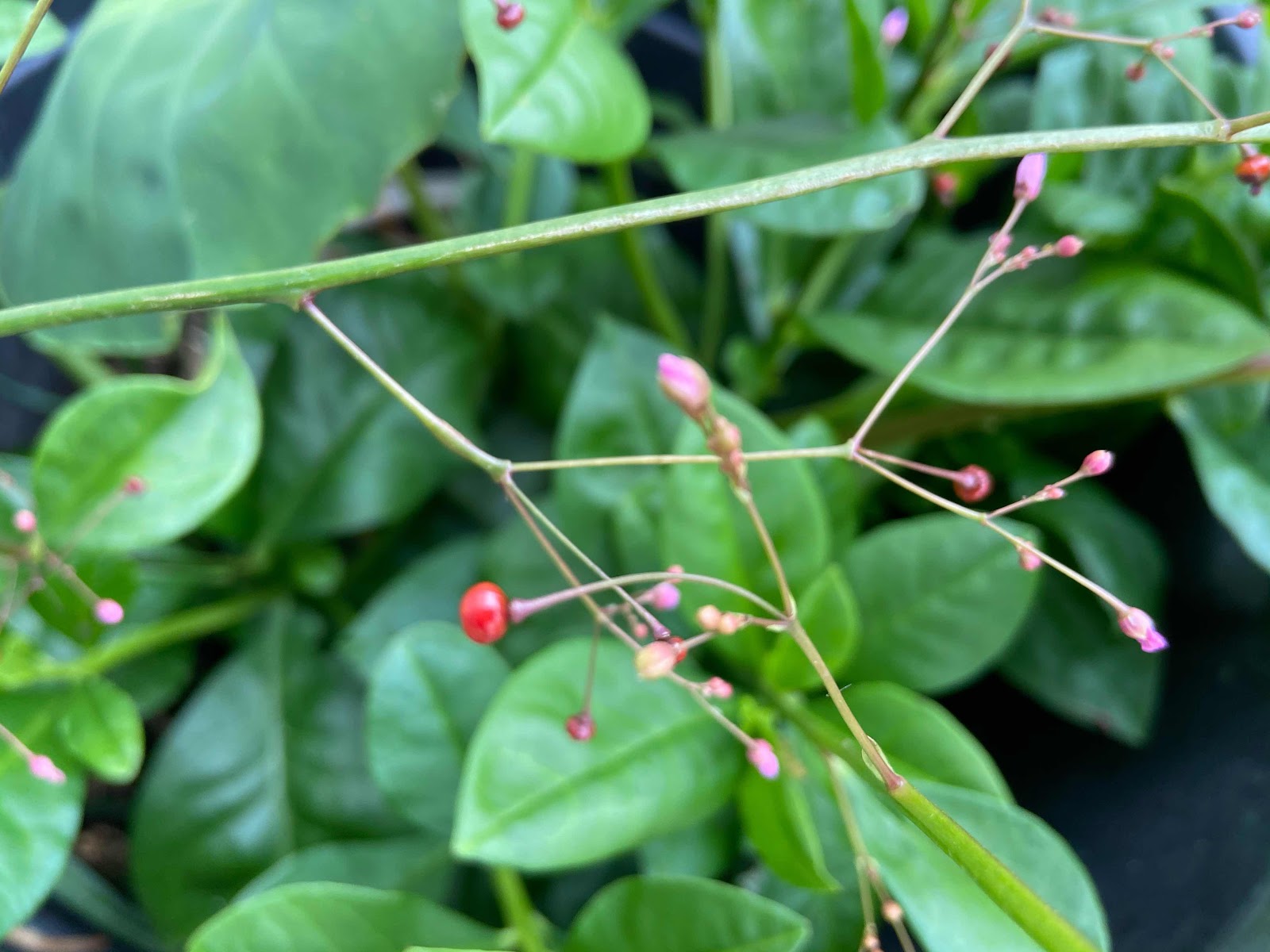
Once upon a time  in Barangay1 Urayong, there lived two friends named Ampalaya and Talinong.  The families of Ampalaya and Talinong were neighbors and as they grew up, they were always  compared and pitted against each other.  The friendship did not last as Ampalaya became very jealous every time  neighbors complimented Talinong of her  statuesque bearing  and her  pretty tiny pink flowers that mature into sapphire-colored globules.

Ampalaya grew  bitter because of many other things: her vines   crawl  on the ground unless there is a trellis or other plants nearby which she can cling on to and her leaves do not look as flawless and young as Talinong's.  She may have  golden-colored  flowers as beautiful as those of Talinong but Ampalaya's flowers  were either a male or a female.  Her bitterness grew while she  watched her male flowers wither and pass on. Unlike Talinong's flowers, Ampalaya's female flowers  need pollinators for them to mature, have seeds, and be able to reproduce. Ampalaya's female flowers are known to bees, butterflies, hummingbirds, and other pollinators  as Flor Amargo, meaning bitter flower,  like the name of the Mexican singer-composer who popularized the  song  "Tiempo"2

In spite of her bitterness, Ampalaya is well loved, popular and known all over the world as either Amargoso, bitter gourd, bitter cucumber, or even vegetable insulin, among many other names. For those who rarely  know Talinong, she is identified  mainly by her scientific name: Talinum paniculatum.  How beautiful and upright Talinong became Jewels of Opar is another unknown and likely forgotten story.

There is no such place as Opar. Opar is a fictitious name in a made-up place where Tarzan was born and raised. Tarzan, which means white ape in the  made-up language of Opar, is the main character in the series of books written by Edgar Rice Borroughs that debuted in 1912. Tarzan was a feral child rescued and raised by an intelligent ape named Kala. Kala lost her infant ape while fleeing  Kerchak, her ape chief during one of his rampages. Kala   came upon the newly-orphaned Tarzan after  Kerchak  killed Tarzan's widowed father  John Clayton. Tarzan's parents were the Viscount and Lady Greystoke of England  who embarked on a trip to Africa but unfortunately captured during a mutiny. Viscount and Lady Greystroke were marooned in  an African jungle that happened to be the territory of great apes led by Kerchak. Tarzan was born in the jungle and his mom, the late Alice Rutherford-Clayton died when Tarzan was exactly one-year old. Kala  who lost her infant ape and was still lactating nursed Tarzan with her breastmilk and pretended that the odd-looking white ape was her son.

"Tarzan and the Jewels of Opar" is the fifth book  by Edgar Rice Borroughs that was published in 1918 about the life and adventures of. Tarzan. The  white ape who was breastfed by Kala,  a very intelligent ape, had by then become a grown man. Tarzan had since gone back to England and claimed his noble birth designation as Earl of Greystroke. He had also married Jane Porter, an American woman who had initially gone to Africa with her father  to study apes. Tarzan hated living England so he went back to Africa with Jane and lived in the large Greystoke  estate in Opar.  The jewels of Opar that Tarzan referred  to as his "pretty pebbles" were recovered alongside  the ashes of a Belgian outlaw who perished after being  trapped inside the jewel room  of Tarzan and Jane's lavished home while trying to steal the jewels for himself. The whole Greystroke estate was torched when  Jane was kidnapped for ransom by a gang led by Achmet Zet, an Arab.

Nobody knew if a Talinong even grew from the site where the jewels of Opar were recovered. I saw  Talinong adorned with its sapphire-colored globules at the courtyard of Brooklyn borrough hall in New York City almost two years ago and we both agreed  we have come a long way from Barangay Urayong. My name is Ampalaya. 

1Barangay, pronounced as ba-rang-guy, is the smallest administrative and political unit in the Philippines. It's is the equivalent of a village or community.

2Tiempo 
by Flor Amargo

Burroughs, E. R. (1918) Tarzan and the Jewels of Opar. A. C. McClurg and Co. New York City


Monday, April 26, 2021

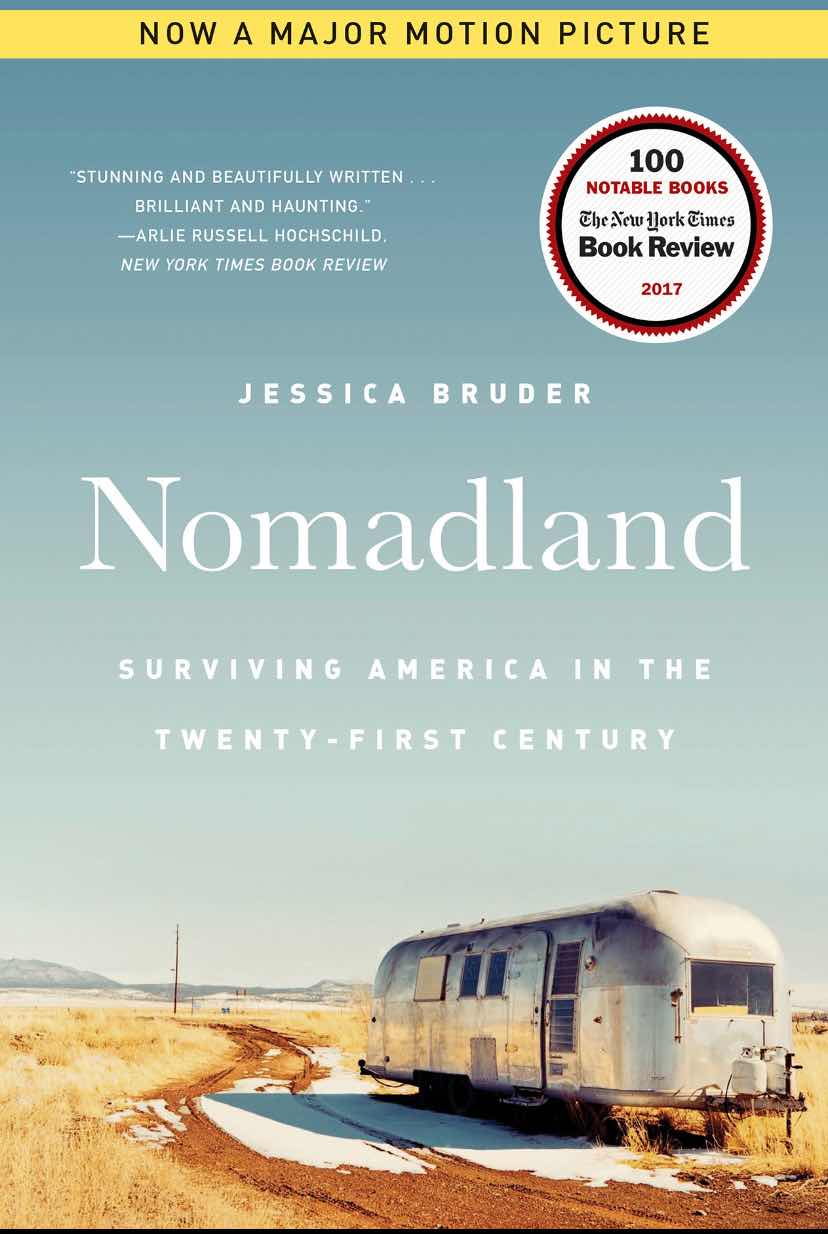
the opposite of child labor at Nomadland


I have had Amazon Prime longer that I have had Facebook. All these years I felt priveleged listening to
Prime Music, watching Prime Video and getting Prime orders delivered within 24 hours with my Amazon Prime membership.  Reading about Amazon's Workampers sonehow reminded me of  rhe swearshops, child labor, and harsh working conditions in developing countries monitored
by the International Labour Organization for compliance to decent and humane working condition  laws for workers' protection. Some love lost however cannot stop me for wanting water filters for the coffee maker, gel pen refills and every day deals I would fancy and having these delivered at my door step within 24 hours. 

Friday, February 12, 2021

How to Start Farming

I love going back to this essay  I wrote in my AFSCME Eng101 Free College Course Grid  Challenge last year.  Maybe Mr. B remembered this essay during the recent Robinhood App GME ruckus.  

Farming is more than the business of tilling the soil, growing crops, and raising livestock.    It also encompasses an understanding and application of business and economic concepts and the goal of farming to earn profitable returns of investments.  Farming which is investing, buying, selling, and making profits from your produce is the same as investing in the stock market.  The stock market is where you buy your seeds when you are ready to farm. Stock market indexes such as the Dow Jones Industrial Average (DJIA) or simply referred to as Dow; the NASDAQ Composite or Nasdaq; and S&P 500 Index may sound very complicated at first but so are terms like labor-intensive ventures, irrigation, fertilizers, compost, and manure.  The following steps are simple pointers to make trading stocks sound a little less daunting by equating investing to farming:

1.    Do your research  

Your friend plants the seeds on your brain when he shares to you a link to the Robinhood app early this year.  You learn, with the help of search engines, that Robinhood app is a commission-free trading app that lets investors trade stocks, options, and exchange-traded funds. You decide not to create an account on the app when you realize that you have to link your bank account to that online trading tool. You wonder if that app is just another social media platform or legitimate. You call your friend but he is ecstatic over how much his Tesla stocks have gained over the last few months. He regrets buying only five shares when the price was just over $100 last April. Today, Tesla stocks are priced at $599.04 per share. You wake up.  The first step in investing is making a plan and setting your goals.

2.     Build your investing skills with more research

You link your bank account to the Robinhood app investing account you created and you learn to call it your brokerage account. You learn the difference between stocks and stock mutual funds. You build your skills by reading every business section of digital newspapers you could access to. You read somewhere that you are making the most out of the news by capitalizing on it. You learn about choosing good stocks for beginners like you. You learn about the best stock investments. You continue with your investment education and wondering how soon you can apply those investment theories you have come up to. You are beginning to relate to economics better than you understood Econ101. The second step in investing is knowing what you are getting into.

3.     Set a budget for your stock investments

You have been buying stocks that are considered strong or moderate buys based on analyst ratings, consensus, and forecast.  Your wife does not know that you have been investing on Robinhood app and you plan to surprise her one day when you earn your first million. You bought 20 shares of NIO at $27.39 a share last October but sold 10 shares at $32 a stock when you thought that this upcoming Chinese electric vehicle   is not Tesla. You smack yourself on the head when you read that a NIO share will have a median target of $300 and high estimate of $400 in the coming months. The truth is, you are getting hooked to investing and becoming a gambler instead. The third step in investing is setting a limit as to how much you can lose.

4.     Learn from your mistakes

You stop fretting over your bullish and bearish gambits that resulted to minimal gains or losses and go back to your investment education. Being bullish is being too optimistic and overly confident and sure that the price of the stocks you bought will soar like hawks in the sky looking for their prey. Bearish in stock market terms is being pessimistic and passive like a hibernating bear. Do not be bullish one day and be bearish the next.  Diversify your portfolio and keep studying the stocks you are planning to buy. The fourth step in investing is figuring out your own trading strategies by experiential learning.

5.      Do not leave your day job

It may be too soon to think of changing careers even if you strongly believe that you have become a very successful investor.  If you are doing well in your investing, be aware that you might be paying taxes about a third of the value of your capital gains if you plan to liquidate your assets and withdraw them.  In investing, think in terms of risks rather than returns. Another key word in investing is volatility which is defined as the market’s tendency to be unpredictable. The last step in investing is to continue to investing, watching your investments grow, and appreciating the things you normally do while looking for other diversions to enjoy, like getting a life!


Tuesday, November 03, 2020

Araw ng Halalan

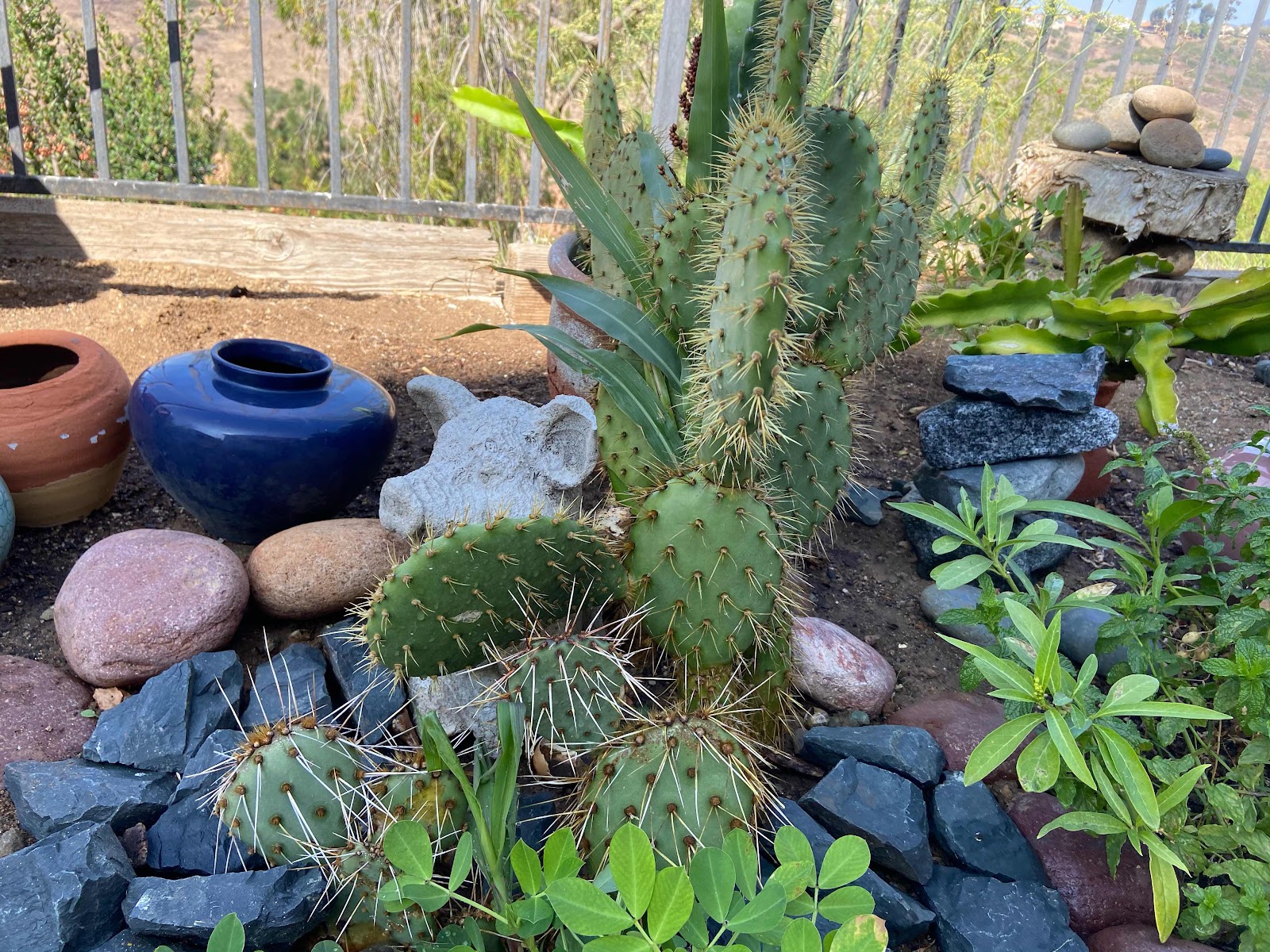
Matinik at  mapanganib ang panahon, katulad ng aking mga prickly pear cactus. At dahil araw ng halalan ngayon, patuloy ang akong nagmamasid at nakikiramdam. 
Kumusta na, ayos pa ba 
Ang buhay natin, kaya pa ba
Eh kung hinde, paano na
Ewan mo ba, bahala na?*

Maingay ang mga nakaraang mga buwan. Araw-araw, tuwing nasa social media ako, parang nasa loob ako ng colosseum kung saan ay may sabong, as in cockfighting sa English. Ayon pa sa American Society for the Prevention of Cruelty to Animals (ASPCA), ang sabong o pagsasabong ay isang klase ng blood sport na kung saan ay dalawang tandang ay nagsanay sa pananalakay para patayin ang kapwa  tandang. Tuwing napapadaan ako sa Facebook, tila mga tumataya sa sabong ang mga nakaka-engkwentro ko. Nakaka-addict ang kapayapaang dala ng pag-iwas ko sa Facebook. Sa sunod na sagutin mo ako ng "peace" kasama ng iyong mga emojis, tatanungin kita kung ano ang kapayapaan para sa iyo. Parehas ba ito sa iyong "peace"?
Tatanda at lilipas din ako...**

Pana-panahon ang pagkakataon
Maibabalik pa ba ang kahapon?***

Panapanahon din ang mga bayabas. Gusto kitang aanyayahan sa aking pamamayabas at pangangamote. 

Dahil minsan tayo'y nagkasama**

*Yano
**Florante
***Noel Cabangon


Saturday, October 10, 2020

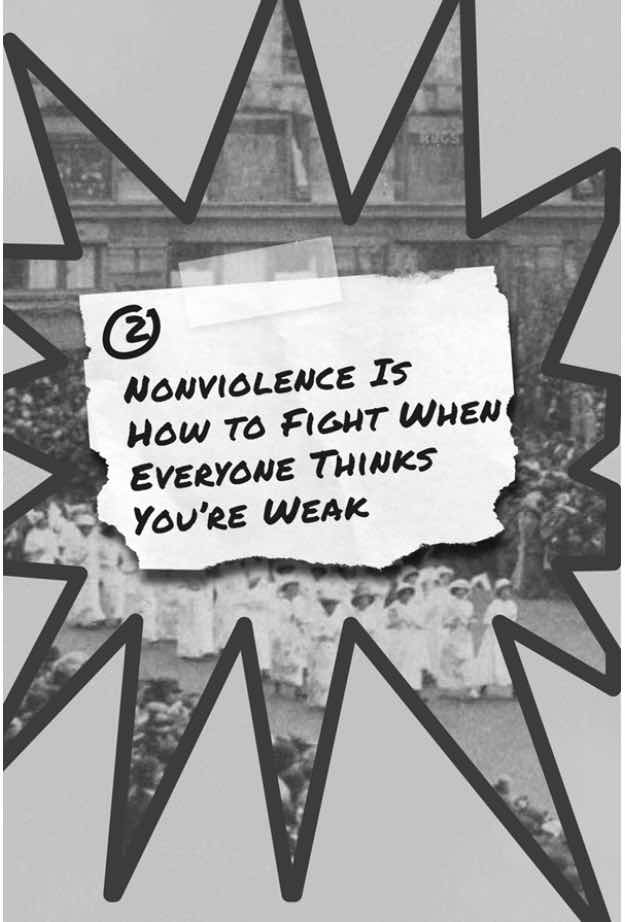
we are power: a book about active non-violence

by Todd Hasak-Lowy

Mohandas K, Gandhi, leader of the Indian Independent Movement...active violence, not passive resistance..

Alice Paul


Friday, October 02, 2020

And all hell broke loose

Heto na naman ako, gumagamit ng idiom for an easy title. Suddenly, there was pandemonioum!


I was at work last night sitting  in an easier station where I didn't have to watch patients on intensive care breathe their last.  At 7:20 PM, my husband texted me about Hope Hicks, Donald Trumps aide and kind of a surrogate daughter being ill of Covid-19.  Hindi ako manghuhula but  I texted back my husband that Trump will be next.  I'm sure many saw it coming, too.

"Mask it or casket!" Y read from her phone. 
I know more Trump voters/supporters  or "Trumpsters" than non-Trumpsters who Helen calls "snowflakes".  At work, Y and K  who are quiet to moderate Trumpsters lamented about the falling stock market prices. 

I never had the heart to repeat every conspiracy theory I hear from right-wing media pundits pouring praises to the Dear Leader like a lot of people I know: A, B, C, D, up to Yvonne. I feel sorry for President Trump but I have always wish for unity, peace and active non-violence in this country that has become my home. Liberals like Rachel Maddow is saying it all for me, for now.

Sunday, September 27, 2020

Where the Crawdads Sing...my thoughts!


The author gives readers a glimpse of the marshes and swamps around Asheville in North Carolina. I have been seeing the book on the bestsellers list for weeks. Do crawdads even sing? By the way, WTF is a crawdad?
I have seen one by Peñasquitos Creek, downstream. It looks like a lobster and somebody identified it to me as crayfish. 

Sunday, August 23, 2020

Ang bulaklak ng pea niya


Tuwing tagsibol, ang mga bulaklak ng lupine, isang ligaw na halaman na kabilang sa pamilya ng mga garbanzos at  gisantes o pea ang una kung hinahanap. Matapos ang tagsibol, nawawala ang mga lupine. Nang dahil dito,  naisipan kung magtanim ng garbanzos na kung tawagin sa English ay chick pea.

Ang folktale na pinamagatang "The Pea Blossom" ay katha ni Hans Christian Andersen, isang Danish,  at inilathala noong 1853. Kilala si Hans Christian Andersen  na lumikha sa ilang mga tanyag na kuwentong pambata katulad ng "The Little Mermaid", "Thumbelina" , "The Snow Queen" na mas kilalang "Frozen", "The Ugly Duckling" at iba pa. 
Ang bulaklak ng pea niya ay kwento ng limang putok sa buho, magkakapatid na buto na nanggaling sa isang buho ng gisantes. Isang bata ang tuwang-tuwang pumitas sa gumugulang na gisantes para sa kanyang laruang pea shooter. Nagpustahan  ang mga magkakapatid kung sino ang pinakasikat at pinakamatagumpay sa kanilang lahat. Ang pinakamalaki sa mga magkakapatid ang unang napili ng bata  at agad itong inilagay ang gisantes sa bibig at ibinuga gamit ng kanyang pea shooter. Di kalayuan napadpad amg unang gisantes at agad itong tinuka ng uwak. Ang pangalawang putok sa buho ay nais lumipad direcho sa araw. Hanggang ngayon missing in action pa rin ang turing sa pangalawang buto ng gisantes pagkabuga mula sa pea shooter. Dalawang buto na laging magkasama ang gusto lang matulog kung saan man sila mapadpad  at iyong nga nangyari. Ang pinakaliit na buto ay napadpad sa may bintana ng isang kubo. 

Sa kubo nakatira ang isang ale kasama ng kanyang masakiting anak na babae. Araw-araw, umaalis ang ale upang maglinis sa mga bahay ng mga mayayaman, maglaba, magluto, at iba pa. Napansin ng  masakiting anak na naiiwan buong araw  na nakaratay sa kanyang higaan ang pagsibol ng buto ng gisantes na napadpad sa isang malalim na kasulok-sulokan ng bintana kung saan umaagos ang ulan at naipon ang konting alikabok. Namangha ang masakiting bata sa tumubong gisantes at araw araw niyang pinagmasdan ang halaman. Di naglaon, ang minsa'y masakiting bata ay bumangon at naglakad na ilang hakbang patungo sa may bintana upang lubos na mapagmasdan ang bulaklak ng pea niya.

Saturday, July 18, 2020

Jack and the Fava Beanstalk


Once upon a time there was a boy named Jack. Jack lived with his mom on a small farm at the foot of Misty Mountains somewhere in England. Jack and his mom were so poor that they had to sell Bessy, their milking cow so they could have money to fix their house in preparation for the coming winter: holes in the roof, broken windows and no front door. Jack's mom valued Bessy to be worth at least 5 gold coins. 
"You traded Bessy for a handful of fucking beans?"Jack's mom was so mad she threw the beans out of their broken window. Jack felt so gullible trading Bessy for a handful of beans that he went to bed without dinner that night. 
When Jack woke up in the morning, he was so surprised to see the tallest beanstalk  where his mom threw the handful of beans he brought home as payment of Bessy. Thanks for the photo Beng.
"OMG, the beans really are magic!" Jack remembered
what the old man who took Bessy told him about the beans. The beanstalk had a giant trunk and stretched up into the clouds.  Jack instinctively climbed  the beanstalk and came into a gateway that  led to a castle where a kindly giant lady lived. Mrs. G, the kindly giant lady felt so sorry  when she learned that Jack went to bed without dinner the night before. She  served Jack  some vegetable stew but as Jack ate, he suddenly felt something like  a strong earthquake. 
"WTF?" wondered Jack. 
"Stomp...stomp...stomp!" Heavy footsteps of what could only be that of an obese man echoed down the hallway. 
"Fee fi fo fum
I smell the blood of an Englishman
Be he alive or be he dead
I'll grind his bone to make me bread." The announcement came with the approaching heavy footsteps.
"Quick! Hide! That's Mr. G, my husband. He's coming home and he's not so fond of humans."  Mrs. G alerted Jack.
Jack hid in the pantry while he watched Mr. G counted  five gold  coins. When Mr. G left the room next to the pantry, Jack wasted no time stealing the five gold coins and thought of their house rhat need repairs for the coming winter. 
"This is all I need," thought Jack to himself. 
But then Jack thought that they no longer have Bessie and would probably starve without Bessie giving them milk. Jack hid some more and look around for anything else to steal. 
"Hello my beautiful hen, please lay your golden eggs for me!" commanded Mr G to a sorry-looking hen.
Jack drooled and thought of all the  cows he could buy with golden eggs as he watched Mr. G got laid with golden eggs.  Jack wanted to get laid, too, and wasted no time stealing the hen. Jack was really feeling greedier than adventurous so he looked for more treasures in the castle.
"Hello my beautiful harp, play, please?" Jack found Mr. G in his bedroom dozing off as the harp played itself a relaxing beautiful tune. 
"Wow, a magic harp! I can pretend to be a musician and perform at the palace. That harp can make me rich and famous." When  Mr. G started to snore and Jack wasted no time and stashing the harp into his loot. 
"Help me master,  a human is stealing me!" The magic harp screamed and Mr. G was roused from his sleep. 
"Stop, thief!" Mr. G chased Jack but Jack ran so fast he reached the beanstalk in no time. 
Mr. G was huffing and puffing so hard when he reached the beanstalk and Jack was already at the ground. Mr. G hesitated  to climb down to beanstalk since  he's always been afraid of heights. But he climbed down anyway. 
"Be careful my dear husband, humans can be dangerous!" Mrs. G shouted from the castle. 
"Whack! Whack! Whack!" Jack saw Mr. G coming down the  beanstalk. 
"Noooooo!" Jack chopped the beanstalk down and Mr. G came tumbling after. 
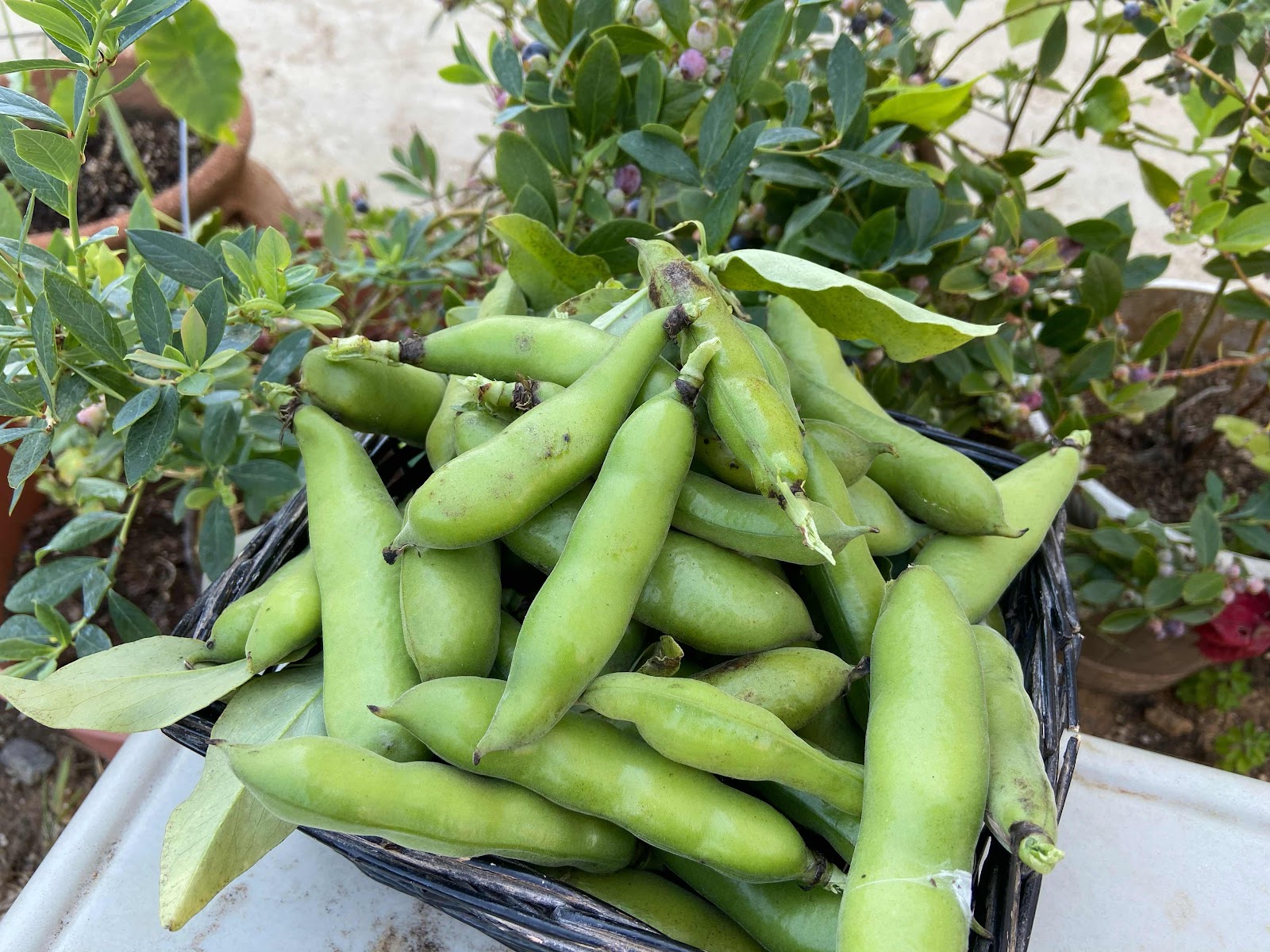
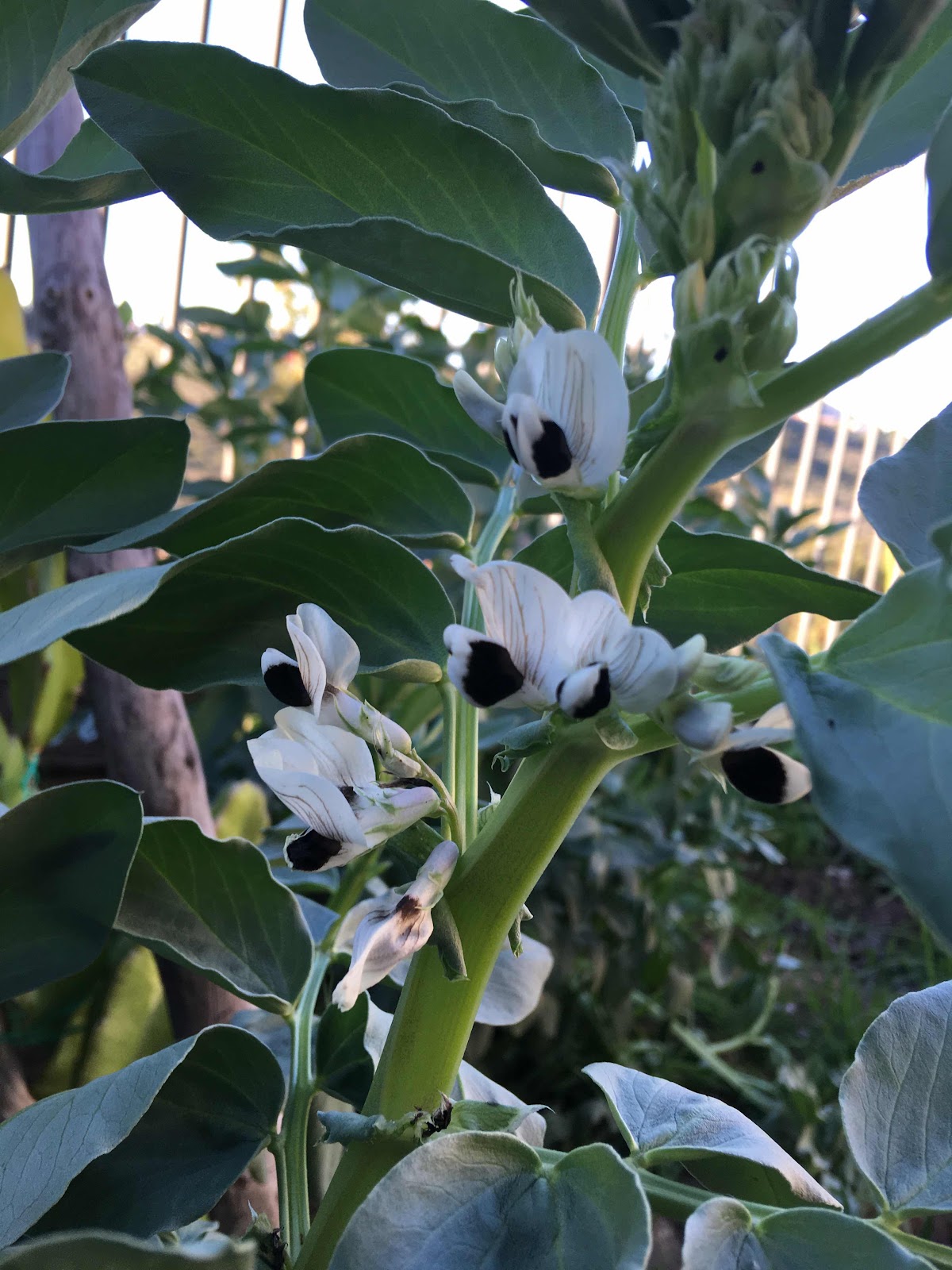
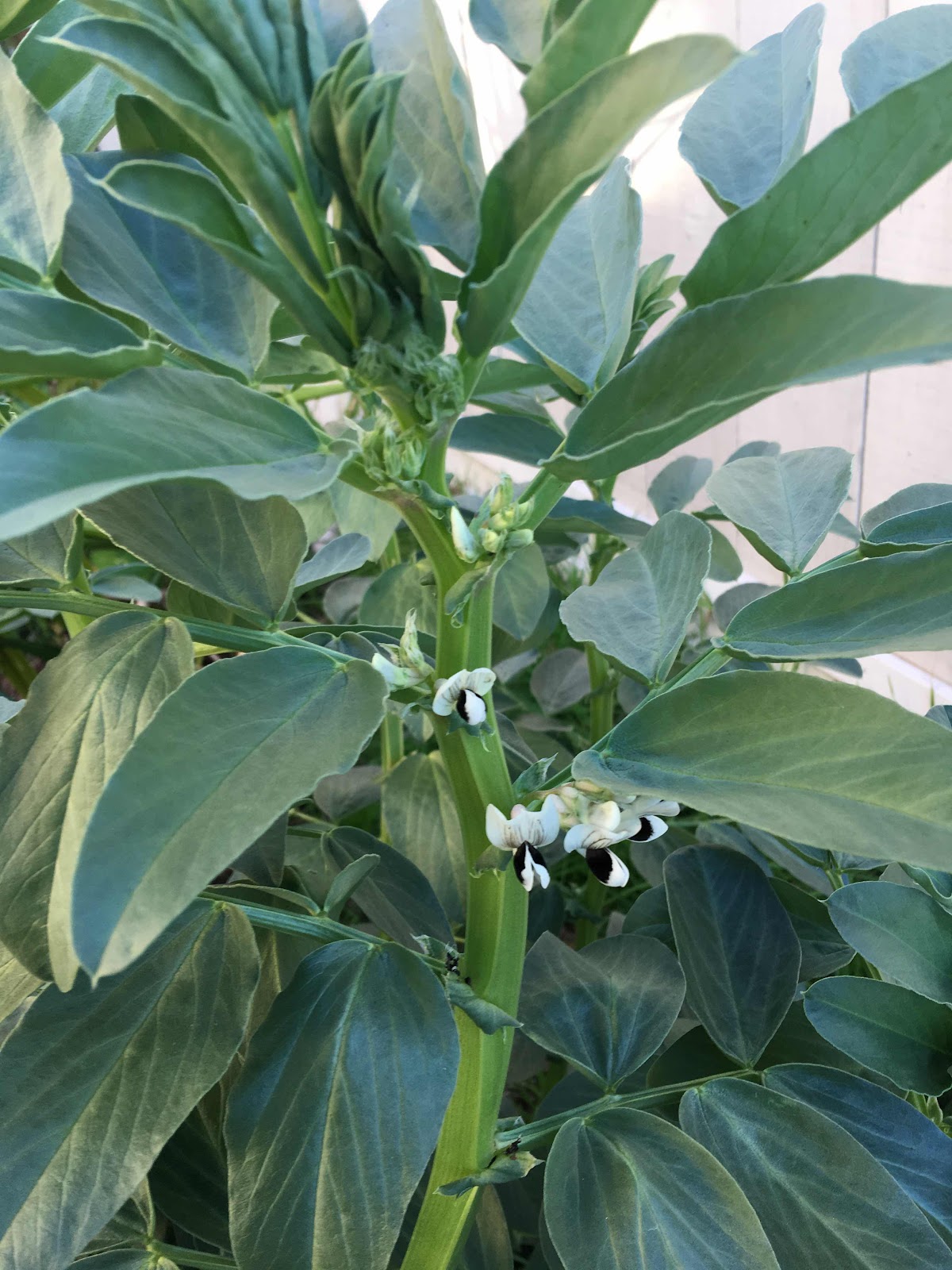
The legendary fava beans which  can grow over 6 feet upright  got its name from "Vicia faba", its scientific name. This flowering plant of the pea and bean family Fabacea  originated from  the Asia Minor or today's moden-day Turkey some 4,000 years before Jesus Christ was born. The legume has been popular in the Mediterranean region. Revered as blessed in the Sicilian tradition of some saint while disdained by Pythagoras because of the flatulence it causes, the broad bean has  also been  called English beans or Windsor beans. Favism is a condition especially in males of Mediterranean descent that is marked by the development of hemolytic anemia upon the consumption of fava beans or inhalation of the fava bean pollen. It is caused by a usually inherited deficiency of glucose-6-phosphate.


Friday, July 10, 2020

Busel iti Tingnga ti Calgaw


Agsabong ka dita nakaimulaam. 

No adda sabsabong, agoarak dagiti kulibabang

Ti kamatis, di agbunga ti mangga.
Ti agmula, agapit. 


Friday, June 05, 2020

growing garbanzos


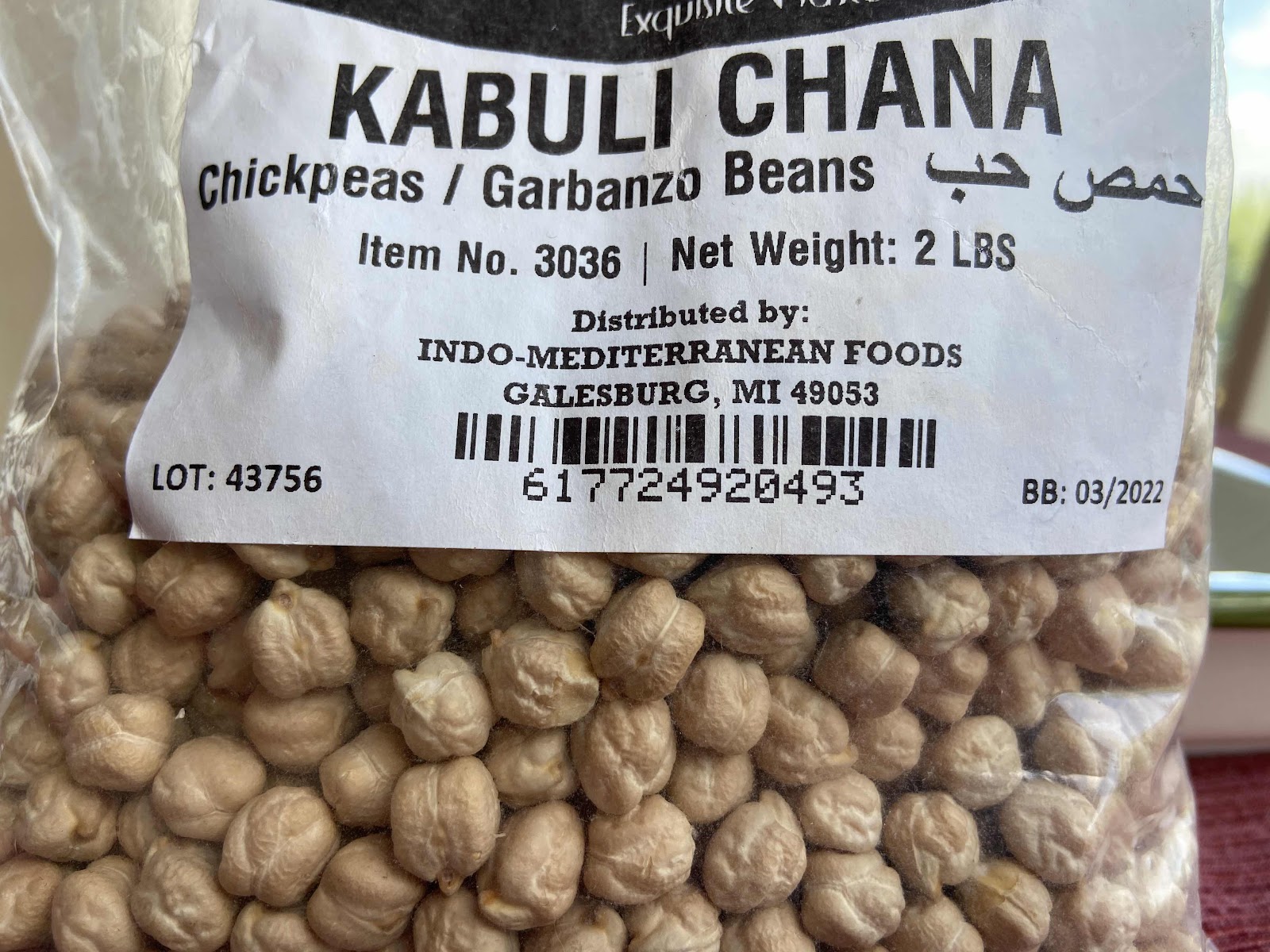
Chick pea is pois chiche in French and  sounds like pwa-shish. In Deutsch, it is kichererbse and sounds like key-chair-herb-sea. Chickpea is more popularly known in its Spanish name garbanzo from “garau” which means seed and “antzu” which means dry. Kabuli chana is a Hindustani term for chick pea. 

Chickpeas are noted to be one of the earliest cultivated legume in the Middle East. Paired with tahini, an oily condiment made from toasted ground hulled sesame, the Arabs invented hummus, the popular chickpea  dish. Hummus, by the way, is also the Arabic term for chickpea. 
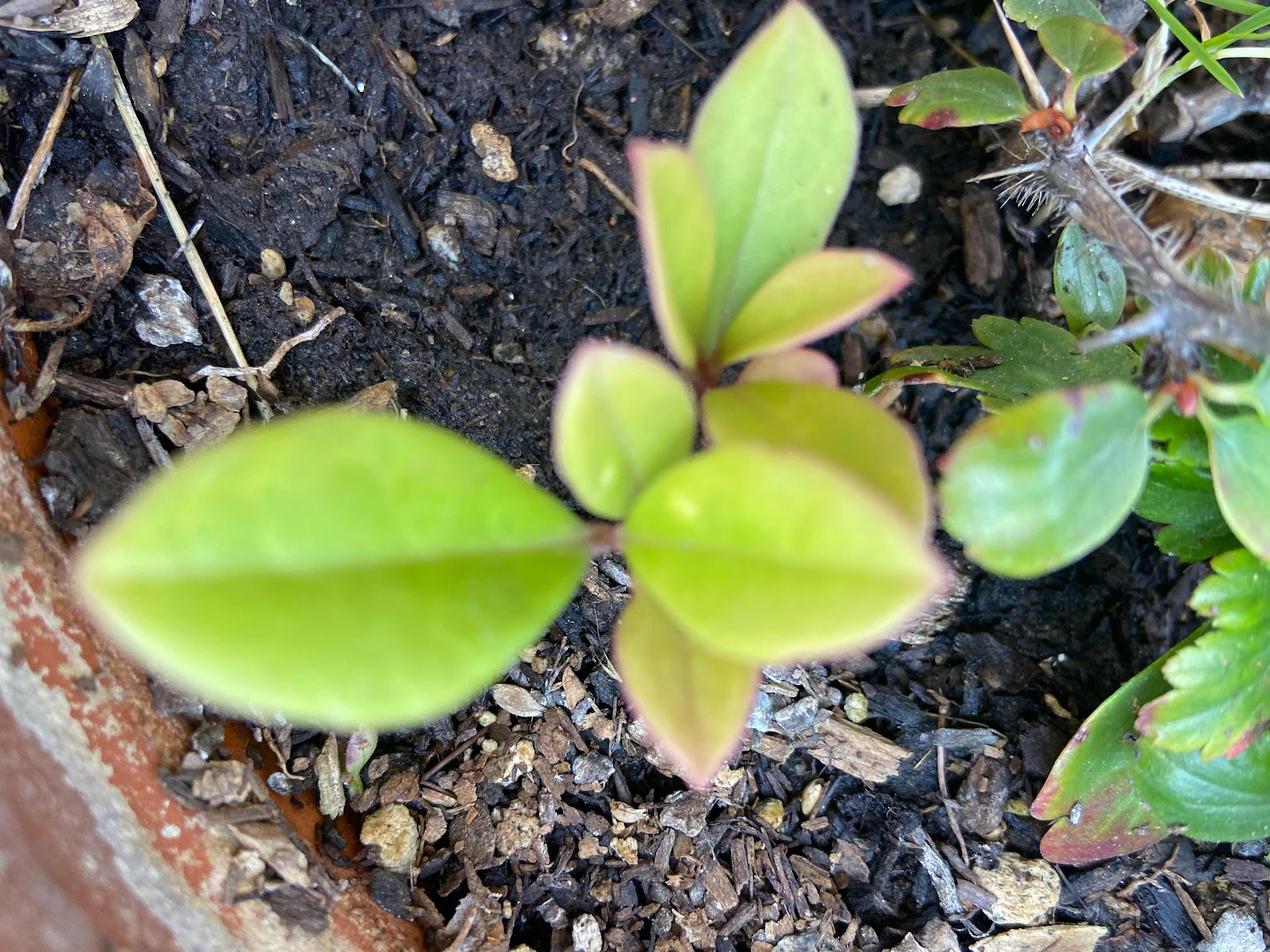
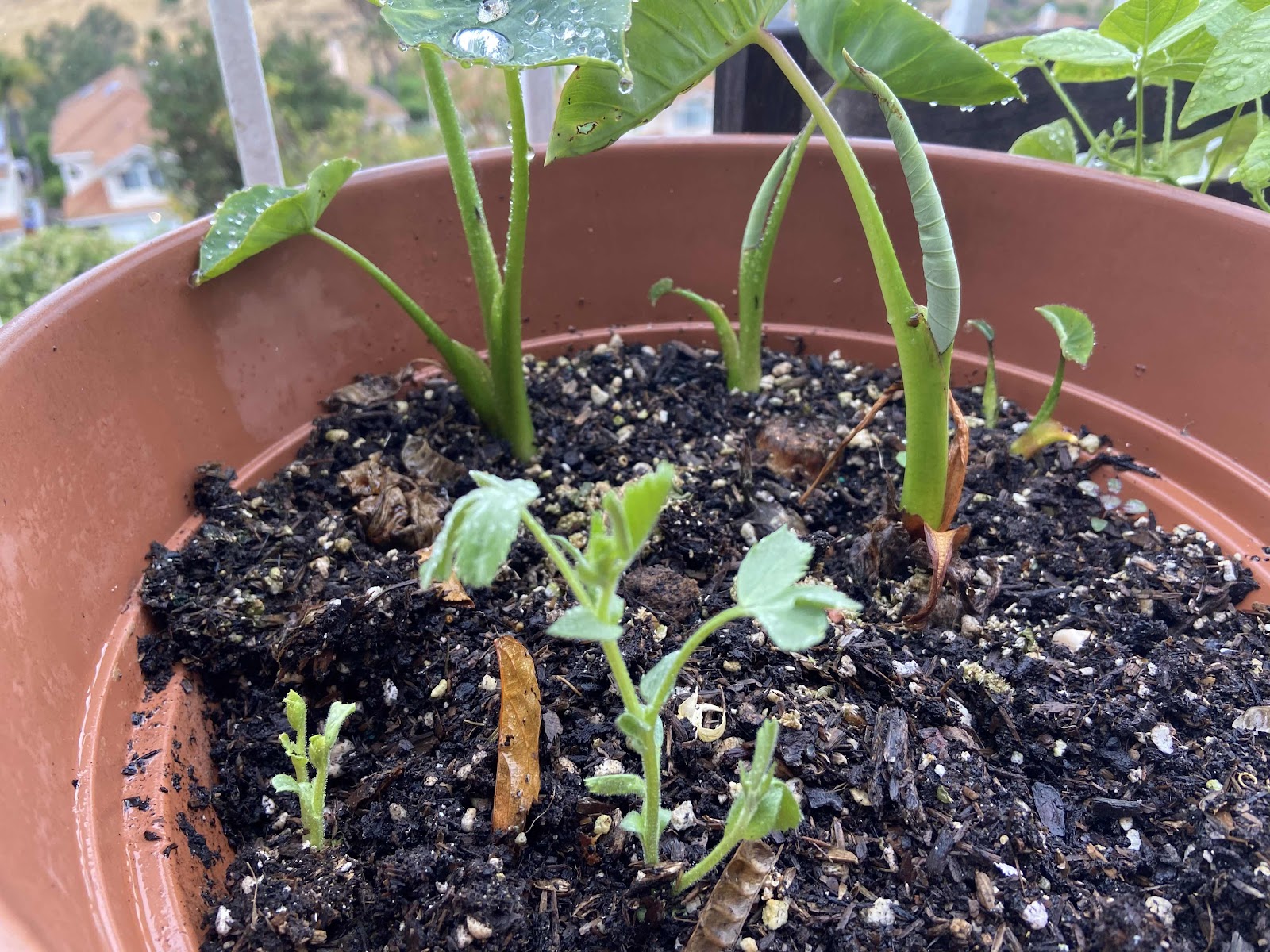
Chickpeas take about a week and a half to two weeks to germinate. It is best to sow the seeds without prior soaking. Store-bought chickpeas have about 25 percent germination rate. Chickpeas like other legumes are known to enrich the soil  when the bacteria that live in nodules of the plant’s roots transform substances  in the air into the organic form of nitrogen that plants need to grow. 

Rabbits and night critters love young garbanzos especially grown  alongside soybeans. I’m determined to propagate them  so I protect them from the local wildlife residents by planting them in self-created   screen planters or sheltering them in the balcony. 


Friday, May 22, 2020

Revisiting Kingdom of Saudi Arabia

Reading the memoirs of Dr. Qanta Ahmed brought me  back memories of my three  years of working in Saudi Arabia. In those three years, I came to understand Islam more: as a way of life, as politics and as the core of being a Muslim. Dr. Ahmed however introduced me to Wahhabism, the restrictive Islamic doctrine founded by Muhammad Ibn Abd al-Wahhab. As an Overseas Filipino Worker (OFW)  in Saudi Arabia, I have become familiar with how restrictive the society is for women. Women are not allowed to walk in the streets by themselves unaccompanied by their husbands. There   has to be  a "kadma" to accompany foreign women  workers for "souk" or shopping days, else  the "muttawa" had to go after them  with a stern warning that is  represented by a baton dangling on their  belts along with  "tasbeeh" or prayer beads. 

In a way, I see parallels  between Islam, in general, and Christian fundamentalists: the glorious Koran and  the holy Bible. Both religions would easily label freethinkers as infidels or pagans. Nevertheless, I would tell a female  bible thumping friend that she is lucky to have been born a Christian otherwise she would forever be subjugated by male relatives and later on by her husband had she been born a Muslim woman, especially in Saudi Arabia


Monday, February 24, 2020

T’s Montessori

I first heard about Maria Montessori from you. Since then, I have learned from the internet that Maria Montessori was born in Chiaravalle,  Italy in 1807. Maria Montessori was an Italian physician and a pioneer of early childhood education methodologies. You were one of the best, one  of the few young educators who was sent to Italy to study the advance Montessori teaching method, was that in Bergamo, sorella? This blog post is my reflection on your article “Losing My Montessori”. 
I just Googled “who is Maria Montessori” to refresh my knowledge about significance of a Montessori education and the search engine led to the website of Maria Montessori Schools in San Diego. 
“Maria Montessori School is the school you wish you’d attended. Warm staff, individualized lessons, low student-teacher ratio and hands on education are the hallmarks of our  private Montessori school.” 
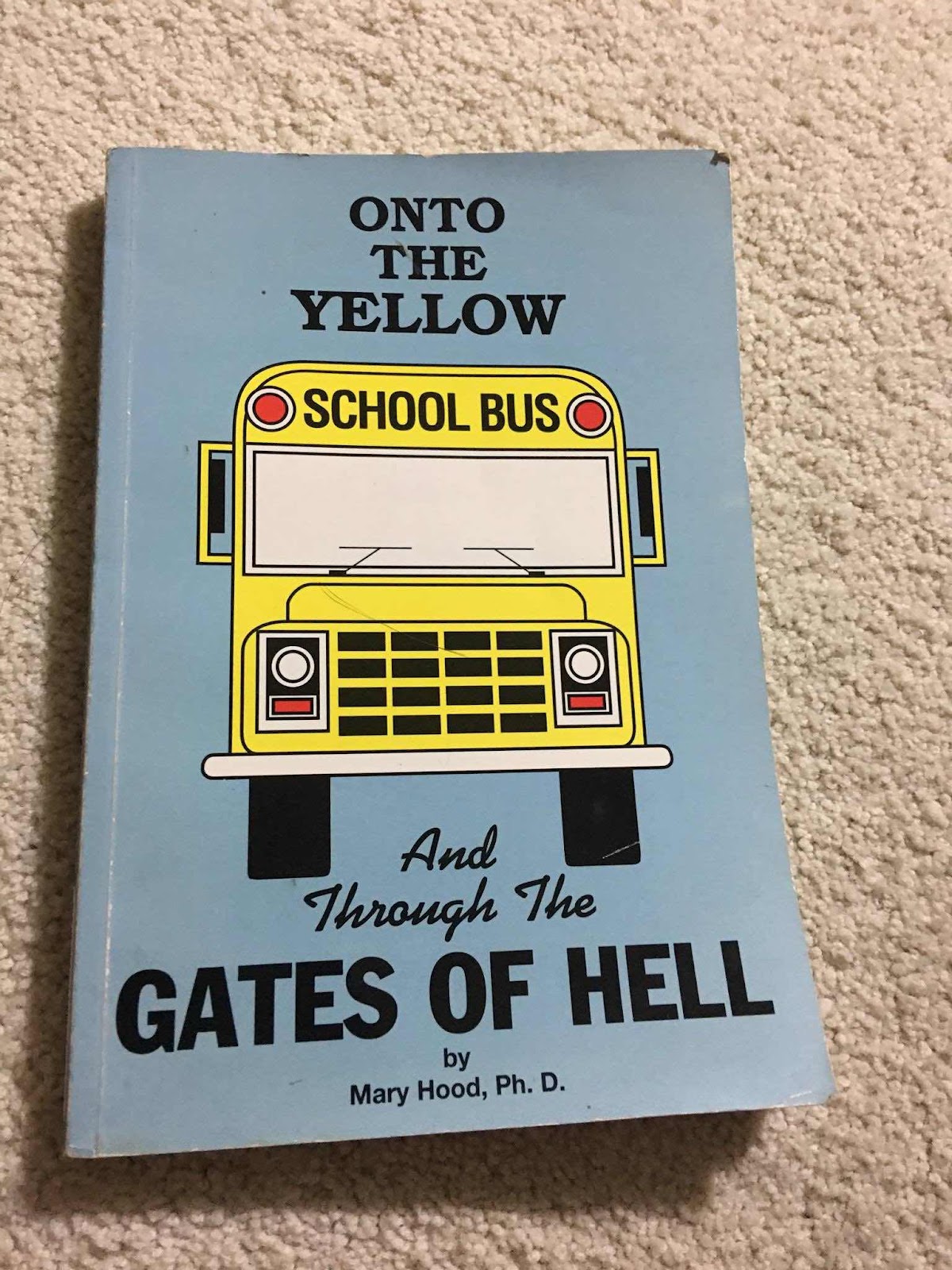
I think of James being homeschooled on the premise presented in a book by Mary Hood, Ph D:  “Onto the Yellow School Bus And Through The Gates Of Hell”.

I have since relegated the book to the recycling bin after I took its picture. The fact that parents of homeschooled children call themselves teachers to save their children from meeting Satan in public schools is more than despicable, sorella.  Not everyone can be a teacher. Not even me who was pushed into attending a public college for teachers in Manila. My father may have taught in a provincial high  school but I only remember him working as a government employee with the country’s Civil Service Commission. I know that an aunt, my father's sister, was a teacher upon graduating from the same public college for teachers that I attended but her children had only seen her as postal worker in Seattle. How I wish I could proudly say I come from a family of teachers myself.  My only alibi for not becoming a teacher is that of Matthew’s excuse: “The spirit is willing but the flesh is weak.”
I don’t know why I am associating individualized lessons, low student-teacher ratio and hands-on education into the homeschooling trend but as a public school teacher with a Montessori training, would you be concerned about the quality of education homeschooled children are getting? Maybe...maybe...maybe 


Tuesday, October 08, 2019

Communist Manifesto vs. Animal Farm

Itong agiw-tala ay para kay Karlee na sa pagkakaalam niya ay ipinangalan kay Karl Marx. Gustong gusto kasing inuulit ulit  ng aming kapitbahay na si Caroline ang alamat ni Karlee. Pero si Karlee, tila hindi  natutuwa. 
"Why did you name me after Karl Marx?"
"And what do you know about Karl Marx?" 
"He was a communist!"
"Was he?“

Si Karl Marx ang pangunahing may akda sa Communist Manifesto pero kilala siya bilang philosopher, economist, historian, sociologist, journalist at iba pa, maliban sa pagiging komunista.  Binigyang kahulugan ni Marx ang komunismo sa paglalathala ng Communist Manifesto para sa mga manggagawa at komunidad noong 1848 . Pananaw niya  ang pamununo at pagbibigay kakayahan ng mga proletariat   o manggagawa na mapasakanila ang mga ari-arian na ginanagamit sa pangkabuhayan at paggawa katulad ng mga lupain  at makinarya.  Halimbawa, ang mga magsasaka ay mapasakanila ang mga lupang sinasaka nila at ang mga mangingisda naman ang mapasakanila ang mga sasakyang pandagat na ginanagamit nila upang sila'y makapamalakaya. 

Pero noong 20th century, nagkaroon ng mga bagong interpretasyon ang komunismo na salungat sa pananaw ni Karl Marx.  Noong 1917, sinaklaw ni Vladimir Lenin ang Russian Empire na  pinamumunuan ng Tsar. Si Lenin ay pinuno ng Bolshevik Party, isang pangkat ng tinawag na Russsian Socialist-Democratic Party. Si Lenin ang naging unang pinuno ng Union of Socialist Soviet Republics na kinabibilangan ng 15 bansa tulad ng Russia, Georgia, Belorussia, Ukraine, Uzbekistan, Armenia, Azerbaijan, Kazakhstan, Kyrgyzstan, Moldova, Turkmenistan, Tajikistan, Latvia, Lithuania at Estonia. Nabuwag ang USSR noong 1991. 

Noong 1949, si Mao Zedong, isang komunistang rebolusyonaryong Intsik ay naging unang pinuno ng People's Republic of China at tinagurian ding pinuno ng Communist Party ng Tsina. Noong 1950, ang North Korea ay naging Democratic Republic of Korea matapos  makipag-alyansa sa USSR at People's Republic of China. Habang nakikipag-alyansa ang North Korea at China sa USSR, libu-libong mga Amerikano naman ang pinagbibintangang mga komunista ni Joseph McCarthy, isang Amerikanong senador. Ang komunismo sa America ay tinaguriang McCarthyism at ito ay nauukol sa mga mga salang espionage, subversion at treason at wala itong kinalaman sa pamumuno at pagkakaisa ng mga manggagawa.

Salungat din sa mga teorya ni Karl Marx ang uri ng pamumuno  ng dating USSR o ang   kasalukuyang Russian Federation na pinamumunuan ni Vladimir Putin. Ang komunismo ay hindi katumbas ng totalitarian rule na kung saan ang ekonomiya, paggawa at pangkabuhayan ay kontrol at tila pag-aari ng pinuno ng bayan. 

Pinadali ni George Orwell ang pagpapaintindi  sa konsepto ng komunismo sa pamamagitan ng kanyang maikling nobelang pinamagatang "Animal Farm". Ang alegorya ay nagsimula sa isang pagpupulong na tinawag ni Old Major, isang bulugan sa Manor Farm, ang bukirin na pag-aari ni Mr. Jones, isang human at bourgeoisie o burgis. Ipinamahagi ni Old Major kina Napoleon at Snowball, mga kapwa baboy  ang kanyang panaginip o pangarap para sa isang mundo ng mga baboy na walang taong nang-aapi, kumukontrol at umaangkin sa mga produktong pinagpawisan ng mga hayop.  Hindi nagtagal, pumanaw si Old Major at ipinagpatuloy nina Napoleon at Snowball ang pagpapatupad ng kanilang inspirasyon para sa isang mundong walang mapang-aping mga tao na umaangkin sa mga bagay na kanilang pinaghirapan. Pinalayas si Mr. Jones sa kanyang bukirin at sinakop ito ng mga hayop at pinangalanang  Animal Farm. Naging pinuno sina Napoleon at Snowball a madalas silang magkasalungat.  Nagbuo ng army ng mga tuta si Napoleon. Nagkaroon rin ng mga kanya kanyang katungkulan sa pamunuan ang ilan pang mga hayop. Si Squealer, isang baboy,  ay naatasan sa pagpapalaganap ng mga propaganda. Si Mollie, isang kabayo na may katungkulan ay nahilig sa mga ribbons at sugar at makasarili. Si Boxer naman,  isa pang kabayo, ay laging handang lumahok sa ano mang gawain sa bukirin. Si Clover, kabayo rin, ay tahimik na hindi sumasang-ayon kay Napoleon at si Benjamin, isa pang hayop na donkey o asno  ay cynic naman. Isa sa mga babala ni Old Major ang  hwag sanang gayahin ng mga hayop ang mga masasamang ugali ng mga tao. Sa bandang huli, hindi na makita ang pagkakaiba ng mga pamunuan ng mga hayop sa mga tao, naging mapang-abuso na rin sila. 


Friedrich Engels  wrote the preface of the Communist Manifesto  in London on January 30, 1848 and credited Karl Marx for most of the concepts of the founding documents of communism.  The manifesto which was initially drawn in German was subsequently written in English, French, Danish and Polish editions comes  comes in 4 parts: 1) Bourgeoisie (pronounced as bor-zhwaa-zee) and Proletarians; 2) Proletarians and Communists; 3) Socialist and Communist Literature; and 4) Positions of the Communists in relations to the various Opposition Parties.

In Section 1, Marx described the conflicts between the bourgeoisie and the proletariat. The bourgeoisie are the rich capitalists who control and own  the means of production such as factories, heavy machinery and agricultural land  cast  power over  the proletariat or  workers whom they employ and tend to exploit for their own profits.  The conflict is further discussed in Section  2 wherein  the rich capitalists accuse the workers of taking over the means of production and putting them in the hands of the community. This is where the concept of communism comes in. In communism, the community solely owns the means of production. Capitalism, as opposed to communism, is a political system in which a country's leadership and industry are controlled by private ownership for profit. The immediate aim of communism is the formation of the proletariat into a class, overthrow the bourgeois supremacy and the conquest of political  power by the proletariat.

Section 3 presents different concepts of socialism under three major concepts. These are 1) reactionary socialism; 2) conservative or bourgeois socialism; and 3) critical-utopian socialism and communism. Reactionary socialism constitutes feudal socialism, petty bourgeois socialism and German "true" socialism. Conservative socialists include economists, philanthropists, humanitarians, organizers of charity, members of societies of the prevention of cruelty to animals and advocates of the working class. Critical-utopian socialism and communism seems to be the ultimate vision for  socialism and communism when workers or the proletariat will work with political parties that will "support every revolutionary movement against the existing social and political order of things" (page 63). The Communist Manifesto concludes with a worldwide cry for all workingmen of all countries to unite.

Karl Marx defined socialism and communism in favor of workers and communities in the middle of nineteenth century. Since then as a political and economic theory of groups and and social organizations, socialism and communism have been variously interpreted. In 1917, Vladimir Lenin, the leader of the Bolshevik Party, a faction of the Russian Social-Democratic Workers' Party seized control of the Russian Empire and became the dominant political power Russia. The Bolshevik Party became the Communist Party and Lenin became the leader or the Union of Socialist Soviet Republics (USSR). In 1949, Mao Zedong, a Chinese communist revolutionary became the founding father of the People's Republic of China and ruled as the Chairman of the Communist Party of China. In 1950, North Korea officially known as Democratic Republic of Korea and  with the USSR and the People's Republic of China as allies invaded South Korea. At about the same time in the US, thousands of Americans were being accused as communist by Senator Joseph McCarthy. Communism in US famously known as  was being associated to espionage, subversion and treason.
Nowadays, socialism is being associated  to either "free stuff", medicare for all, student loan forgiveness or Venezuela's collapse.  USSR had since became the Russian Federation following an unsuccessful coup by with  the Communist Party in late 1991. Contrary to what Karl Marx espoused, then USSR and the present Russian Federation has always been under a totalitarian rule where a single leader or party possesses supreme or absolute government power. As for China, the country up to this day is still dominated by the Communist Party but had since transitioned  from centrally-planned system to a more market-oriented economy.  The Democratic People's Republic of Korea, more popularly known as North Korea and led by its supreme leader Kim Jong-un is listed as a communist and socialist state under a totalitarian dictatorship.

My simplistic understanding of communism is  based on George Orwell's novel "Animal Farm". The short novel is an allegory depicting pigs as the proletariat and humans are the bourgeoisie. Old Major, a prize-winning boar gathers  Snowball, Napoleon and Squealer, his fellow pigs  for a meeting and tells them about  world ruled by animals with no human beings to oppress and control them.  Old Major passes and the three pigs stages animal revolt. Mr Jones, the owner of the Manor Farm is chased out of his own farm and Snowball and Napoleon emerge as leaders and take over the Manor Farm which they rename Animal Farm. Snowball, as a privileged leader and educator is later challenged and over thrown by Napoleon who tries to stay in power by training a personal army of puppies and relying on his loyalists: Squealer who becomes  his minister of propaganda. The allegory illustrates what happens in emerging factions. There are rules that would be initially be broken by the leaders and later be justified, there are dissenting opinions coming from the likes of Clover, a horse who silently questions Napoleon and cynics like Benjamin, the cynical donkey. In the long run, leaders abuse their power become themselves the oppressors and declare: "All animals are equal, but some animals are more equal than others."

Sunday, September 15, 2019

America Is Not In The Heart

Tila ba ako'y nagbalik bayan at nag stop-over sa ay sa Pangasinan:  "Gali na!"
Sumaglit ako sa Baguio kung saan nagsimulang mag-aral ng nursing o Pacita, isa sa mga pangunahing tauhan ng nobelang nilikha ng isang millennial na lumaki sa California. Pangarap ni Paz ang makapunta sa America kaya siya naging nurse. Bumalik siya sa Dagupan para sa kanyang clinicals at nakilala si Dr. Apolonio  "Pol" de Vera isang nakakatandang surgeon na sa di nagtagal nanligaw sa kanya. Nagsimula sa tupig. Ang tupig ang paboritong kakanin ng nasirang ina ni Dr. Pol. Mula sa isa sa mga provincia ng Ilocos Sur ang angkan ni Dr. De Vera at pangkaraniwang kakanin ang tupig sa buong rehiyon ng Ilocos. May halong pang-uuyam  ang sagot ni Paz noong sabihin niyang paborito niyang kakanin ang tupig.
Nagkatuluyan si Paz at si Dr. De Vera at di nagtagal, iniwan ni Dr. De Vera ang kanyang practice bilang surgeon sa Dagupan para doon na manirahan sa Milpitas, California makasama ang kanyang asawang si Paz na nagtatrabaho bilang nurse sa Veterans Hospital  sa dakong Bay Area. Isinalarawan sa nobela ang pamumuhay ng mga Pilipino sa America. Andoon na yong dalawa o tatlong trabaho ang mga main breadwinners tulad ni Paz. Si Pol naman, ang dating surgeon ay nagtrabaho bilang security guard at may part-time job din. Ipinangalan ni Pol ang kanyang nag-iisang anak ng Geronima, mula sa kanyang ina at paboritong pamangkin na kapwa sumakabilang buhay na. Roni ang palayaw ng kanyang anak na si Geronima. 
Mag-aaral ng medisina sa University of Santo Tomas (UST) ang pamangkin ni Pol na si Geronima  o Nimang noong siya ay naglaho. Si Pol ang naatasang kumilala sa mga labi niya  noong siya ay napamalitang mapaslang sa isang enkwentro ng militar at New People's Army (NPA). Sa loob ng sampung taon, nanilbihang doctor sa mga komunidad na kinabibilangan ng kanyang  NPA unit sa mga bulubundukin ng Isabela si Nimang. Nadakip si Nimang habang nagsasagawa ng medical mission at siya ay ikinulong at pinahirapan sa pag-aakalang siya ang hinahanap na commander ng kanyang unit. 
"Sibibiag ni Nimang!"
Sinikap ni Nimang ng manahimik habang pinapahirapan siya ng kanyang interrogator. Sa bandang huli, nakilala siya sa kanyang isinulat na salawikain sa salitang Ilocano. Walang maputik na tubig ang hindi lilinaw.
Itinakwil si Nimang ng kanyang sariling ama na naging alkalde sa isang bayan sa Ilocos. Ang kanyang tiyuhin na si Pol ang sumagip sa kanya, sa tulong ng kanyang tiyahin na nakatira sa Kamaynilaan.

Matapos mapagamot si Nimang sa kanyang mga pinsala dala ng pag to torture sa kanya ng kanyang mga investigators, siya ay naglakbay papuntang America upang doon na manirahan sa piling ng pamilya ng kanyang tiyuhin si Pol sa Milpitas. Taga hatid at sundo siya sa paaralan ng kanyang pinsang si Roni. Si Roni ang nagpangalan sa kanya ng Hero. Yes, as in super hero, ika pa ni Nimang. 

"Tangken tabungaw!"

"
Sa Ilocano, heto ay tumutukoy pagiging magulang ng upo, ang gulay na tinatawag na bottle gourd sa Ingles. Sa isang bata, nangangahulugan ito ng pagiging matigas ang ulo o ang pagiging stubborn. Ang pagiging matigas ng ulo o maari ding pagmamatigas o conviction sa Ingles. 

Inilarawan ng may akda ang pangkaraniwang kaugalian ng mga Pilipino sa America sa bagong pamumuhay ni Nimang na naging Hero. Andoon na yong pagpupumilit na magkilos mayaman at maging exclusive ang ilan. Hindi ko lubos maisip kung anong klaseng matanda ang magbigay ng chewing gum na galing sa kanyang bibig at ipahawak na parang ipinagkakatiwalang alahas ito kay Roni. Pero hindi lahat ng kwento ay pura mga pagkukunwari at paligsahan ng mga tauhan kung sino ang pinakamatagumpay, ang may pinakamarangyang bahay o kung sino ang pinakasikat. Nandoon ang pagtutulungan at pagmamalasakit ng bunga ng mga pagkakataon. Malalim ang kwento, pero hindi ito parody ng America Is In The Heart bagama't heto ang kwento ng mga pangkaraniwang Pilipino sa America. Maraming Pinoy sa America ang tila nandoon lang dala ng pagkakataon  at walang inisip kundi bumalik sa lupang tinubuan. May mga bahaging nakaaliw tulad ng mga pagsasagawa ng mga ritual ayon sa mga naging kaugalian noong ng mga tauhan na isinilang at lumaki sa Pilipinas. Anak na lasi!


Sunday, August 11, 2019

America Is In The Heart

Carlos Bulosan is a prominent figure at  the centers for Filipino-American studies in the University of Washington in Seattle and the University of California-Davis in the US. I didn’t learn  about Carlos Bulosan, a writer, poet or a labor union leader,  until lately while reading Luis Francia’s  “Eye of the Fish”. As I read Carlos Bulosan’s account of his struggles as a migrant worker in US, a long ago exchange with Sam came to mind.  Fresh-off-the-boat, so to speak, I held on  to the ILO definition of  my presence in America and declared myself as a migrant until  Sam corrected me:  you’re an immigrant.  The International Labour Organization (ILO) defines migrant as a person who moves or migrated from one country or another for the purposes of employment. Google further explains that immigration is like in-migration where an individual goes into another country to live there permanently while emigration is like out-migration where an individual leave his country for another. 

Carlos  Bulosan’s book “America Is In The Heart” comes in four parts. First part details his childhood as a child laborer  in the Philippines  long before ILO even thought  about the Intenational Programme  on Elimination of Child Labour.   Carlos did not go to school in order to help his father in the farm or assist his mother in selling “boggoong (p.33)” at their town market in Binalonan or the nearby town market of Pozorubio. His brother Macario who was studying to be a teacher provided most of Carlos’ early informal education where he learned to read and write. It was Luciano, another brother, who encouraged Bulosan to read and suggested that he could become a journalist someday. 
“‘Reading is food for the mind. Healthy ideas are food for the mind. Maybe someday you’ll be a journalist....(p.56)’”

Extreme poverty which led to an insurrection  of tenants against landlords during the Colorum Uprising that started in 1924 reinforced  the resolve of Carlos  and his brothers Macario and Amado to leave Pangasinan for the US separately.  Part 2 revolves around  the author’s steerage passage to the US and arriving in Seattle on June 22, 1930. A few of Carlos’ fellow passengers died while ship’s in transit (yep, that’s SHIT for you).  Steerage passengers are confined and hidden the lower decks of the ship. Carlos soon realizes that life in America is not any different from the life he left behind in Pangasinan. It is the time of Great Depression and life is difficult for everyone including native-born Americans whom the author referred to as “whites”. 
“I came to know afterward that in many ways, it was a crime to be a Filipino in California. I came to know that the public streets were not free to my people; we were stopped each time these vigilant policemen saw us driving a car. We were suspect each time we were seen with a white woman. (p.121)”

Parts 3 details the author’s deepening involvement in organizing Filipino migrant workers  to thwart off unfair labor practices amidst an often hostile and exploitative working conditions. Often out of money and living on his own, the author traveled from the state of Washington  to California in the south  or Alaska to the north, looking for  seasonal  and agricultural jobs.  One time hunted, beaten and left for dead because of his involvement in organizing of labor unions, the author is constantly on the move either looking for jobs or searching for his brothers. The author who initially found comfort in meeting friends who come from Pangasinan and its neighboring provinces soon felt that such “regional friendship developed into tribalism which obstructed all efforts toward Filipino unity in America (p.98)”.  I know you can relate, but then, there are also wonderful  moments, of course!

Part 4 of the book accounts the author’s deepening involvement in the labor movement, his declining health and his flourishing as a writer and poet.  The last part of the book is also set during the McCarthyism era when labor leaders and activists were labeled as “communists” and  accused of subversion or treason to discredit their progressive causes.  Yep, it does sound familiar.
Like the ending of a movie, the author muses while looking at the passing scenery out while enroute to Portland on a bus:  “I glanced out of the window again to look at the broad land I had dreamed so much about, only to discover with astonishment that the American earth was like a huge heart unfolding warmly to receive me.”

In his flowery prose, the author sums up the book based on his experiences and sentiments: “it came to me that no man—no one at all—could destroy my faith in America again. It was something that had grown out of my defeats and successes, something shaped by my struggles for a place in this vast land, digging my hands into the rich soil here and there, catching a freight to the north and to the south, seeking free meals in dingy gambling houses, reading a book that opened up worlds of heroic thoughts...” 

The  author died in Seattle on September 11, 1956. 


Monday, July 22, 2019

Ramona by Helen Hunt Jackson

.  
Three years before the publication of the novel titled "Ramona", Helen Hunt Jackson published “A Century of Dishonor: The Classic Exposé of the Plight of Native Americans”.  Both publications describe the displacement of of Native Americans from the land that they have inhabited for the last 10 to 15 thousand years.

The author referred  to these indigenous peoples  as “Indians”, the name that was supposed
to have been mistakenly given by Christopher Columbus to the first first people  he saw when he  sailed into what became the Americans continents. He thought he was in India. Oh by the way, did you know that Columbus never set foot in   North America, much less to its southern part like Mexico?

California became a US territory in 1847 as part of the Treaty of Guadalupe Hidalgo  which ended the Mexican-American War. Ramona, Helen Hunt Jackson second book was set on an era where Mexicans of Spanish ancestry were downsizing their ranchos and conceding portions of their lands to land grants as stipulated in a US Congress act. Set in a Spanish era California amidst Catholic missions run by Spanish friars and ranches owned by criollos, the novel depicts a more functional  relationship between  criollos and  Native Americans. Throughout the novel, the author aptly described the prejudices first by  Mexicans of Spanish ancestry then by white men (Europeans) against indigenous  Americans. The novel Ramona is more of an idyllic re-enactment of the prior book. The novel revolves around the story of Ramona, the daughter of a Scottish sailor and a Native American woman referred to in the novel as a “squaw” who were married by a priest in the San Gabriel Missions. The Gabrielino Indians are believed to have been from the Tongva tribes.

Helen Hunt Jackson's initial publication is a documentation of how the indigenous population was treated in the 1850's.  This was the time when Mexicans  born in Spain and living in Mexico were called "peninsulares" and all other Mexicans of Spanish ancestry were called "criollos".  The Olmecs, the first known inhabitants of Mexico along with the Teotihuacans, the Aztecs, the Yaquis, the Kumeyaays and the Ipais among other tribes were called "Indians". According to the 2010 US Census, California has the highest Native American population in the country.There are currently 109 federally recognized tribes in California alone. To this day,  40 to 50 percent  of  the  Mexican population still identify themselves to their indigenous tribes while many trace their ancestry  origins to  Iberia or Portugal.

Helen Hunt Jackson's protagonist in her second book is Ramona.  Ramona is raised by Senora Gonzaga-Moreno, the sister of her foster mother, her Scottish father's former fiancee whom she is named after. Senora Moreno raises Ramona as part of the Moreno family and foster sister to the senora's only child, Felipe. Native Americans are contracted by the Moreno household as laborers and during a sheep-searing season, Ramona meets Alessandro, a chieftain's son  from Temecula who is designated to be the foreman of the sheep-searing team after one of the Moreno household staff gets incapacitated.

Ramona falls in love with Alessandro. Senora Moreno confronts Ramona and threatens to deny her of the valuables her Scottish father left her. Ramona elopes with Alessandro with the help of Felipe and taking along Baba, her horse and Capitan, a dog. Ramona and Alessandro is married by a priest from the San Diego missions. The couple goes to San Pascual Valley  and eventually gets displaced by European-Americans who drive them off their homesteads. The couple moves to the San Jacinto mountains and loses their daughter when a white doctor refuses to treat her because the couple are not his "Indians".  Alessandro  who  loses his mind (likely due to  PTSD) one day rides off with a white man's horse and the white man follows and murders him.

Meanwhile, Senora Moreno dies and Felipe sets off to look for Ramona and Alesandro. Felipe one day recognizes Baba, Ramona's horse. Felipe is led to a Cahuilla village by a white woman (Aunt Ri') and his son. Ramona who gives birth to another daughter gets deathly ill and a Cahuilla village woman nurses her infant daughter while Aunt Ri' works her health remedies to get Ramona well. Felipe lets Ramona stay with Aunt Ri' a little longer to recuperate and be doted on by Aunt Ri' like a daughter. Felipe brings home Ramona and her infant daughter who is also named Ramona. Felipe eventually marries Ramona and adopts baby Ramona. Felipe and Ramona have several sons and daughters together but their favorite is Ramona. The family moves south  to Mexico where they live happily ever after.


Monday, April 22, 2019

eye of the fish, a personal archipelago

Luis Francia,  the author, received  a PEN Open Book Award and Asian American Literary Award for the book. PEN which is short for poets, essayist and novelist is a literary award that started in 1963 honoring  outstanding voices in literature. The book which is a memoir is, to me, more of a sociological account of a participant observer. 

The title of the book which sounds like a line from one the author’s poems reminds of that cringey feeling I get every time someone refers to my country of origin as PI. 
“Kailan ka uuwi sa PI?”
“PI?”
“Philippine Islands, didn’t you know that?”
I am always reminded of my conversation with Nida Halud, my room mate at Muhayl in Abha, Assir Region of KSA.  Some years earlier I heard about the PI acronym from Romy Panisales, a classmate at Asian Social Institute or ASI for short. 
“PI nila!”
“PI?”
“Puta’ng ina.”
“Ahh...”

Nowadays, I remember both Nida Halud and Romy Panisales every time somebody mentions about PI. Most of the Pinoys I work with or I know refer to the motherland as PI. Most of them are annoyed every time I get the chance and tell them that we come from an archipelago. An island is defined as a strip of land sorrounded by water.  Philippines and all of its  more than 7,100 islands is an archipelago. The PI misnomer must have come from  BPI which is short for Bank of Philippine Islands. The bank was established in 1851 and originally known as El Banco Español Filipino de Isabel II. 

I somehow think that the PI misnomer was further reinforced or popularized by US servicemen who were stationed in the country  and considered the country as a pit stop and a shit hole. During my first year in the US, I came upon an article in the New York Magazine that listed Philippine Indepence Day as July 4, 1946. Later, when Richard and I moved to San Diego, this then Navy Seal neighbor gave me a the “true” historical account of my country of origin which he referred to as “PI”.  He talked about Aetas and the “cannibalistic head-hunting Igorots” while proudly spewing nasal Tagalog words. I flinched some more and bit my tongue as I thought of Romy Panisales: PI!

Luis Francia’s book sounds like a timeless rejoinder to age-old myths and misconceptions about the Philippines, his personal archipelago.  The popular fill-in-the blank saying that goes like “ you may be able to take the blank out the the blank but you can never take the blank out of the blank”. I know this doesn’t make sense to you so let me say get it straight: “ You can take the Pinoy out of the Philippines but you can never take the Philippines  out of the Pinoy”.  
Got it? 
Corny?
Bakya?

Not to me. For me, Luis H. Francia has MTE. 
(MTE is my thoughts exactly, Evangelista!) 
But I don’t mean to devalue anyone’s thoughts. This is why I never use MTE for Facebook comment. IKR? Lol ka rin!

The author likened himself to an awkward fish swimming simultaneously in different oceans: upstream to home, his personal archipelago,  from another sea called NYC. Practically covering the whole archipelago from Batanes to Jolo, the author presented characters and images ranging from tragic to nostalgic amidst a  mostly rustic landscape.  Dead or alive, there was this  body in a bag fished from the Pasig River, a retired schoolteacher in Vigan who sat perfectly stil  by her window every morning reading pulp fiction by Danielle Steele or Judith Krantz, a woman shaman at Mount Banahaw, the magicians of Siquijor and so on and so forth.  

There are characters I recognize. Sr Myrna, ICM, the author’s sister who had since passed according to Google, may well have been my religion teacher at my ICM-run high school in Bauang, La Union. Elieza Dadap in Hnunangan Southern  Leyte who went to ASI sounds  like a community organizer I knew. Joey Ayala, the son of one of the author’s contacts in Davao City is still a favorite Original Pilipinong Mang-aawit and of course then Davao Mayor Rodrigo Duterte who is the current Philippine president is someone I would never compare to President Donald Trump.  Duterte  was a lawyer known for his vigilante style  of local government. He is not a dictator and is a lot smarter than the Donald. 

I enjoyed the book for all its worth. Had it been a foreign author describing  the absurdities of my culture, I would have taken offense.  Francia’s subtle humor or sense of irony are to me LOL moments.  I am quoting some of these in this blog so I can always read them in the future to entertain myself. 

“Right outside Quiapo church was another, smaller open air market, a talipapa, offering products for the soul, for the future, as well as for your health. Here notions of the sacred outdated and often contradicted Catholic ones. Plaster images of the saints, of the Virgin Mary and rhe Santo Niño, were displayed alongside anting anting, bronze amulets with inscriptions of  pig Latin that could, for instance, make you bullet-proof  or irresistible to a beloved, as was the case with one that  depicted the Christ Child with an erect penis, his left hand holding the globe, his right hand in greeting. The charm worked by rubbing the divine penis while chanting the beloved’s name.”

Somehow I see myself in the book. 

“During mass,  one of the sisters asks me to do the first gospel reading. Nervous, I begin reading;  it has been a long time since I have done this. And it shows, for I inadvertently start reading even the instructions to the congregation before I catch myself. The Catholic schoolboy in me wants those nuns to think well of me, so I am tempted to receive Holy Communion. When was it I lost my faith exactly? What is it I have lost? Is it faith in the institution, in a heirarchal church that is just as feudal as any other power-wielding group? Should it matter then whether I consume the sacred host or not? The wafers and the wine-filled chalice are passed to me. I pass them on. Let the nuns judge me, though I doubt it they will.”