
Ampalaya grew bitter because of many other things: her vines crawl on the ground unless there is a trellis or other plants nearby which she can cling on to and her leaves do not look as flawless and young as Talinong's. She may have golden-colored flowers as beautiful as those of Talinong but Ampalaya's flowers were either a male or a female. Her bitterness grew while she watched her male flowers wither and pass on. Unlike Talinong's flowers, Ampalaya's female flowers need pollinators for them to mature, have seeds, and be able to reproduce. Ampalaya's female flowers are known to bees, butterflies, hummingbirds, and other pollinators as Flor Amargo, meaning bitter flower, like the name of the Mexican singer-composer who popularized the song "Tiempo"2

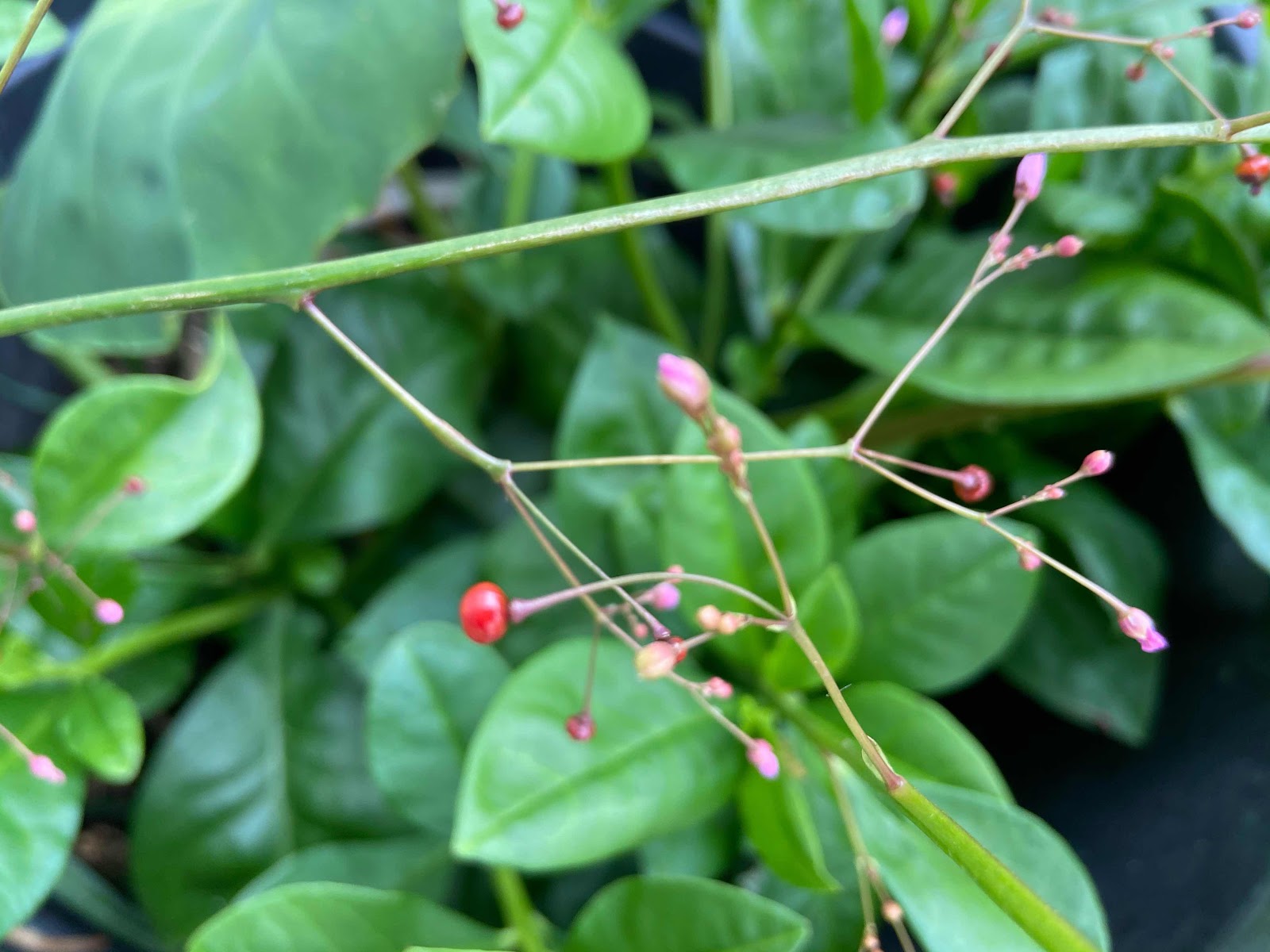
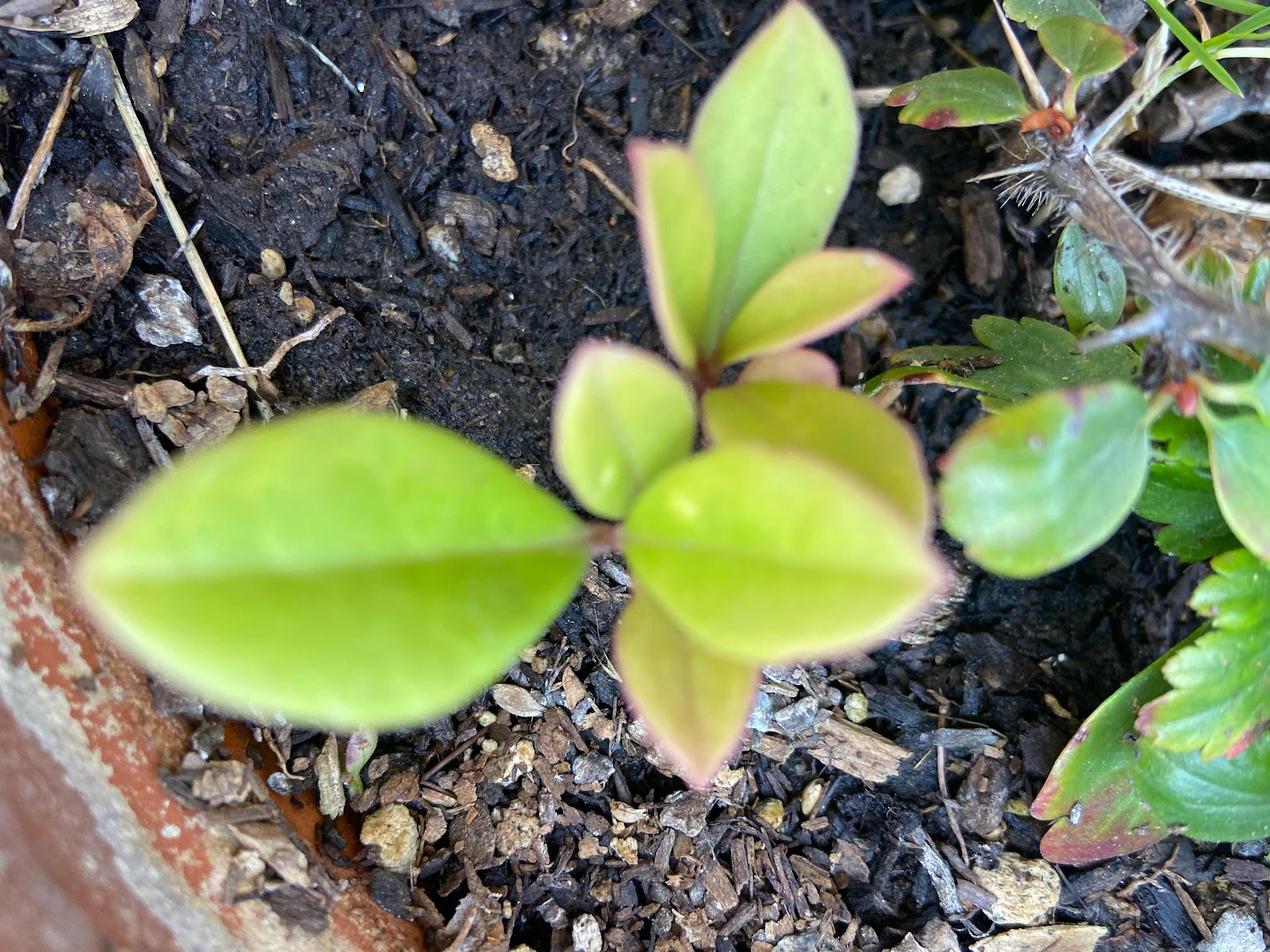
In spite of her bitterness, Ampalaya is well loved, popular and known all over the world as either Amargoso, bitter gourd, bitter cucumber, or even vegetable insulin, among many other names. For those who rarely know Talinong, she is identified mainly by her scientific name: Talinum paniculatum. How beautiful and upright Talinong became Jewels of Opar is another unknown and likely forgotten story.
There is no such place as Opar. Opar is a fictitious name in a made-up place where Tarzan was born and raised. Tarzan, which means white ape in the made-up language of Opar, is the main character in the series of books written by Edgar Rice Borroughs that debuted in 1912. Tarzan was a feral child rescued and raised by an intelligent ape named Kala. Kala lost her infant ape while fleeing Kerchak, her ape chief during one of his rampages. Kala came upon the newly-orphaned Tarzan after Kerchak killed Tarzan's widowed father John Clayton. Tarzan's parents were the Viscount and Lady Greystoke of England who embarked on a trip to Africa but unfortunately captured during a mutiny. Viscount and Lady Greystroke were marooned in an African jungle that happened to be the territory of great apes led by Kerchak. Tarzan was born in the jungle and his mom, the late Alice Rutherford-Clayton died when Tarzan was exactly one-year old. Kala who lost her infant ape and was still lactating nursed Tarzan with her breastmilk and pretended that the odd-looking white ape was her son.
"Tarzan and the Jewels of Opar" is the fifth book by Edgar Rice Borroughs that was published in 1918 about the life and adventures of. Tarzan. The white ape who was breastfed by Kala, a very intelligent ape, had by then become a grown man. Tarzan had since gone back to England and claimed his noble birth designation as Earl of Greystroke. He had also married Jane Porter, an American woman who had initially gone to Africa with her father to study apes. Tarzan hated living England so he went back to Africa with Jane and lived in the large Greystoke estate in Opar. The jewels of Opar that Tarzan referred to as his "pretty pebbles" were recovered alongside the ashes of a Belgian outlaw who perished after being trapped inside the jewel room of Tarzan and Jane's lavished home while trying to steal the jewels for himself. The whole Greystroke estate was torched when Jane was kidnapped for ransom by a gang led by Achmet Zet, an Arab.
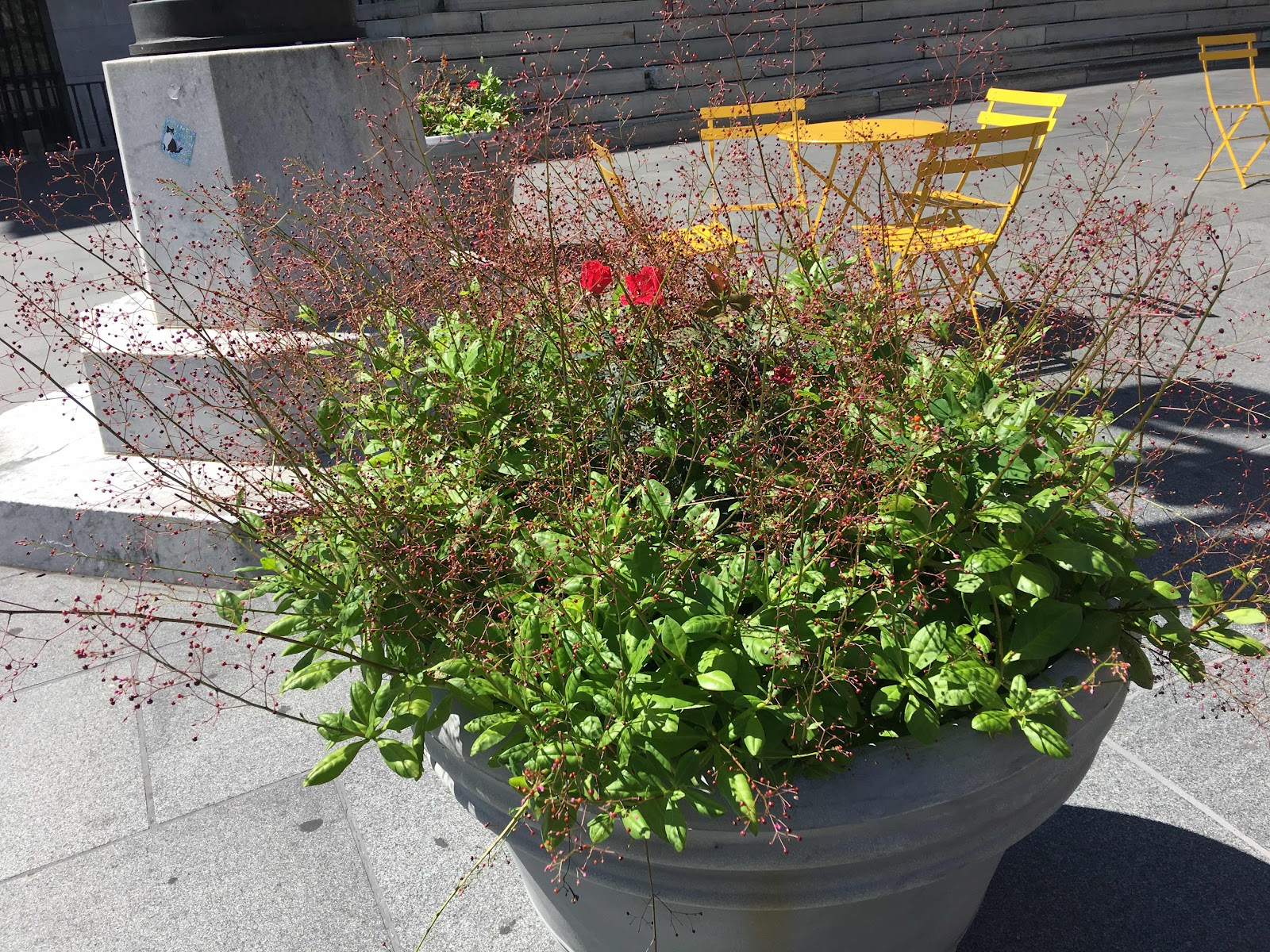
Nobody knew if a Talinong even grew from the site where the jewels of Opar were recovered. I saw Talinong adorned with its sapphire-colored globules at the courtyard of Brooklyn borrough hall in New York City almost two years ago and we both agreed we have come a long way from Barangay Urayong. My name is Ampalaya.
1Barangay, pronounced as ba-rang-guy, is the smallest administrative and political unit in the Philippines. It's is the equivalent of a village or community.
2Tiempo
by Flor Amargo
Burroughs, E. R. (1918) Tarzan and the Jewels of Opar. A. C. McClurg and Co. New York City

No comments:
Post a Comment