Borrowed book from Overdrive through my New York Public Library online library card. The setting is some small town in Lousiana called Mallard. Riveting, the book revolves around the story of Desiree and Stella, twins growing up poor and could not wait to escape their home town populated by fair-skinned African Americans who could could pass as Caucasians.
Wednesday, September 29, 2021
The Vanishing Half by Britt Bennett
Borrowed book from Overdrive through my New York Public Library online library card. The setting is some small town in Lousiana called Mallard. Riveting, the book revolves around the story of Desiree and Stella, twins growing up poor and could not wait to escape their home town populated by fair-skinned African Americans who could could pass as Caucasians.
Sunday, June 06, 2021
The Gungo Pea Princess
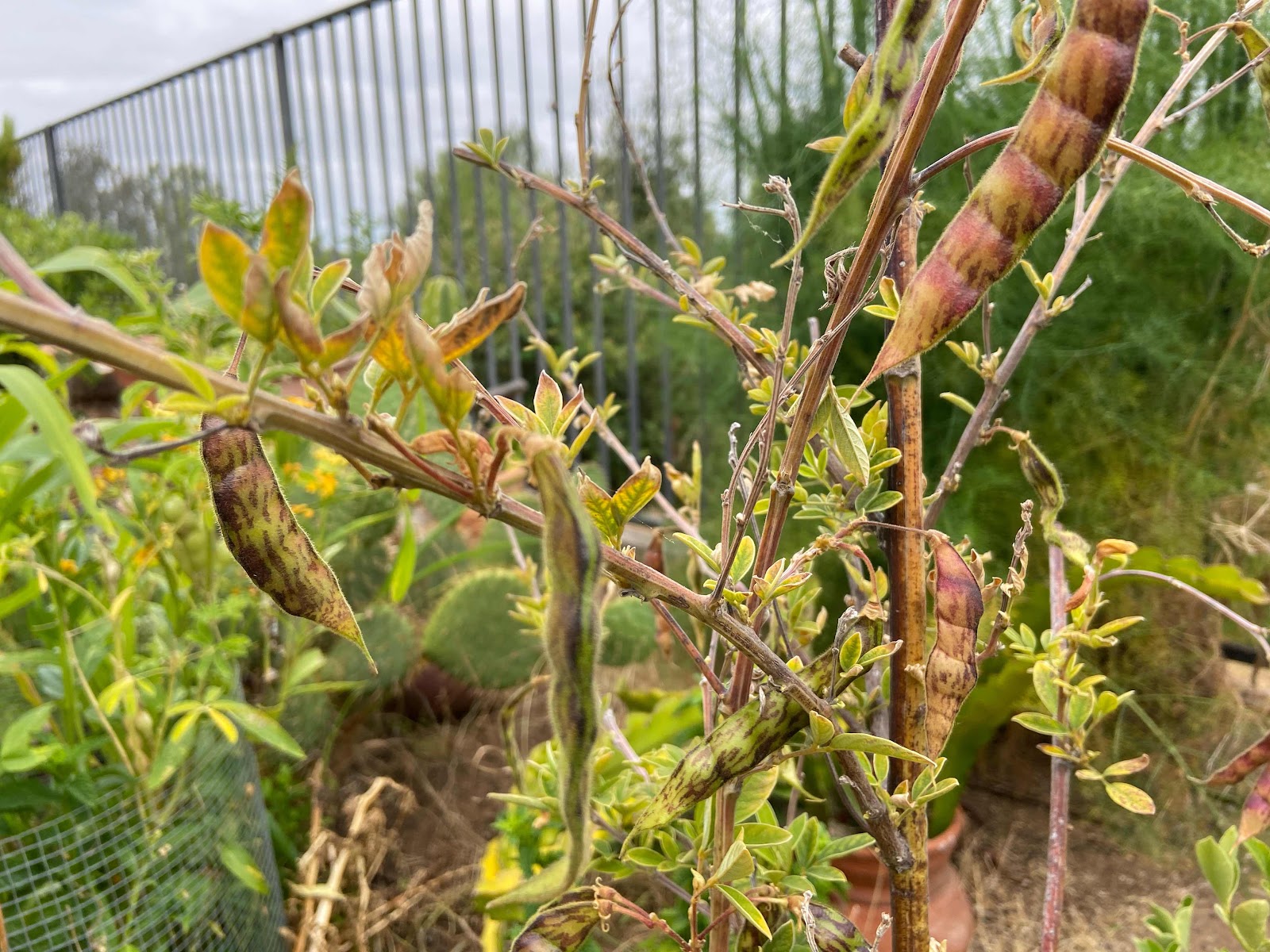
Fairy tales in the olden times can marry off a prince living with his parents, who happens to be the king and queen of course, to a wandering princess. Hans Christian Anderson (HCA), in his time, married off a whiny princess on the account of a pea hidden under a pile of mattresses. My twisted version of the "The Pea and Princess" is for Christine who brought me a pound of gungo ( pronounced as gung-go) peas from Jamaica as a token for trading off my work schedule with her so she make the trip.
Princess Kardice did not know she was a real princess untill she was told so by an older couple who claimed they were real royalties of the Gungo Kingdom. King and Queen and their adult unmarried son Prince lived in a huge house they called their castle in a vast ranch somewhere in the Jamaica.
Friday, June 04, 2021
Jewels of Opar
Ampalaya grew bitter because of many other things: her vines crawl on the ground unless there is a trellis or other plants nearby which she can cling on to and her leaves do not look as flawless and young as Talinong's. She may have golden-colored flowers as beautiful as those of Talinong but Ampalaya's flowers were either a male or a female. Her bitterness grew while she watched her male flowers wither and pass on. Unlike Talinong's flowers, Ampalaya's female flowers need pollinators for them to mature, have seeds, and be able to reproduce. Ampalaya's female flowers are known to bees, butterflies, hummingbirds, and other pollinators as Flor Amargo, meaning bitter flower, like the name of the Mexican singer-composer who popularized the song "Tiempo"2
In spite of her bitterness, Ampalaya is well loved, popular and known all over the world as either Amargoso, bitter gourd, bitter cucumber, or even vegetable insulin, among many other names. For those who rarely know Talinong, she is identified mainly by her scientific name: Talinum paniculatum. How beautiful and upright Talinong became Jewels of Opar is another unknown and likely forgotten story.
There is no such place as Opar. Opar is a fictitious name in a made-up place where Tarzan was born and raised. Tarzan, which means white ape in the made-up language of Opar, is the main character in the series of books written by Edgar Rice Borroughs that debuted in 1912. Tarzan was a feral child rescued and raised by an intelligent ape named Kala. Kala lost her infant ape while fleeing Kerchak, her ape chief during one of his rampages. Kala came upon the newly-orphaned Tarzan after Kerchak killed Tarzan's widowed father John Clayton. Tarzan's parents were the Viscount and Lady Greystoke of England who embarked on a trip to Africa but unfortunately captured during a mutiny. Viscount and Lady Greystroke were marooned in an African jungle that happened to be the territory of great apes led by Kerchak. Tarzan was born in the jungle and his mom, the late Alice Rutherford-Clayton died when Tarzan was exactly one-year old. Kala who lost her infant ape and was still lactating nursed Tarzan with her breastmilk and pretended that the odd-looking white ape was her son.
"Tarzan and the Jewels of Opar" is the fifth book by Edgar Rice Borroughs that was published in 1918 about the life and adventures of. Tarzan. The white ape who was breastfed by Kala, a very intelligent ape, had by then become a grown man. Tarzan had since gone back to England and claimed his noble birth designation as Earl of Greystroke. He had also married Jane Porter, an American woman who had initially gone to Africa with her father to study apes. Tarzan hated living England so he went back to Africa with Jane and lived in the large Greystoke estate in Opar. The jewels of Opar that Tarzan referred to as his "pretty pebbles" were recovered alongside the ashes of a Belgian outlaw who perished after being trapped inside the jewel room of Tarzan and Jane's lavished home while trying to steal the jewels for himself. The whole Greystroke estate was torched when Jane was kidnapped for ransom by a gang led by Achmet Zet, an Arab.
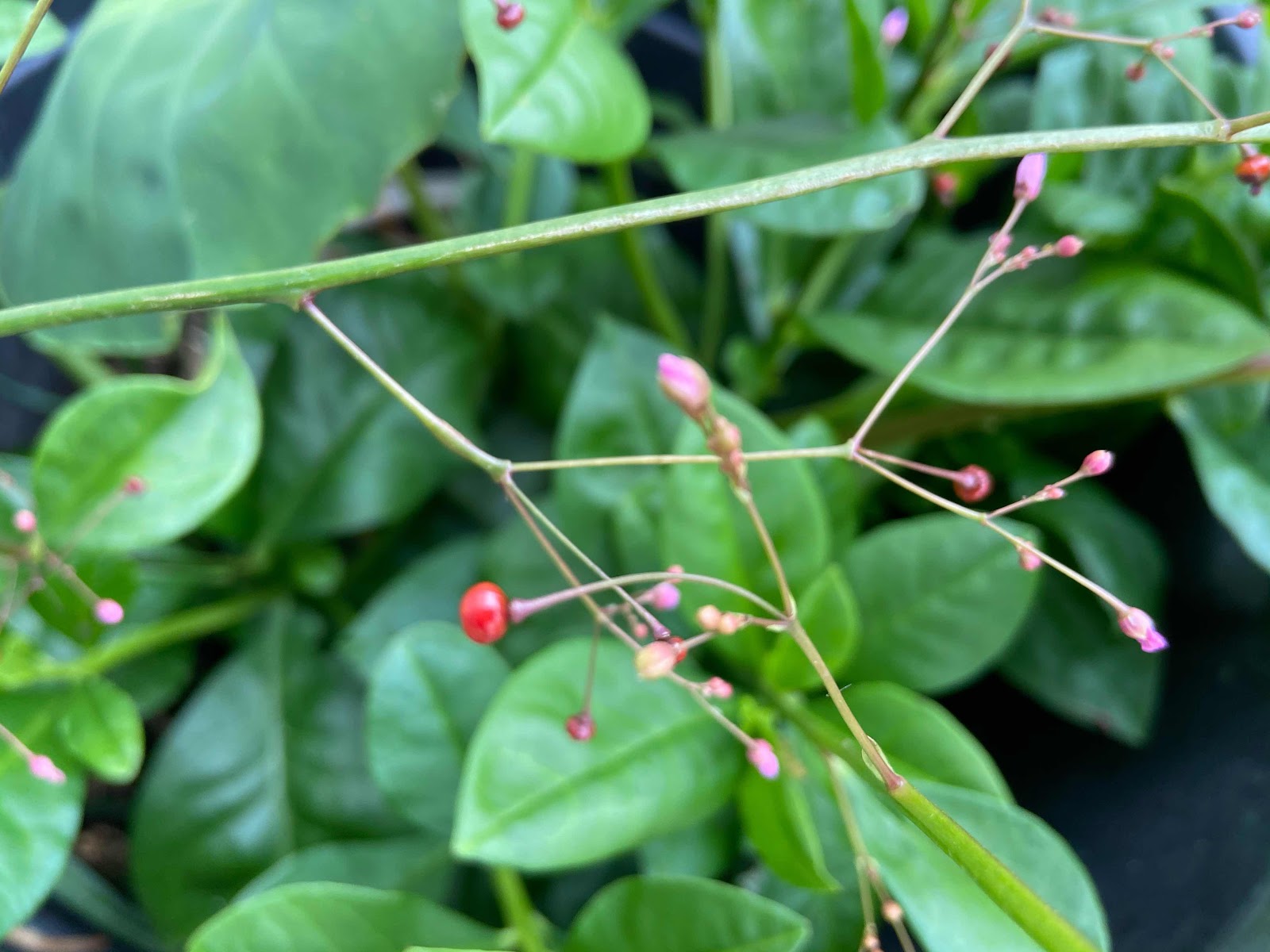
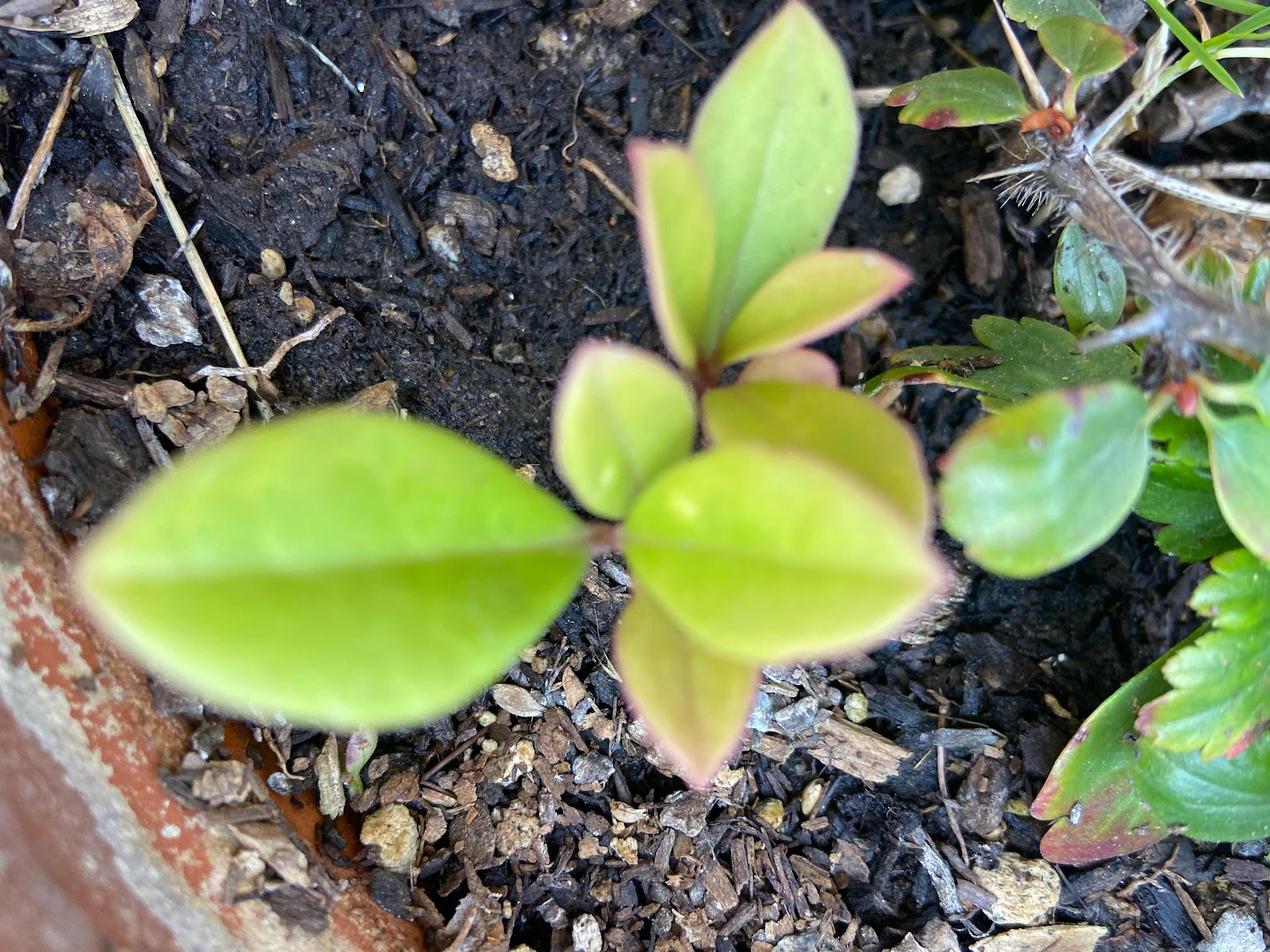
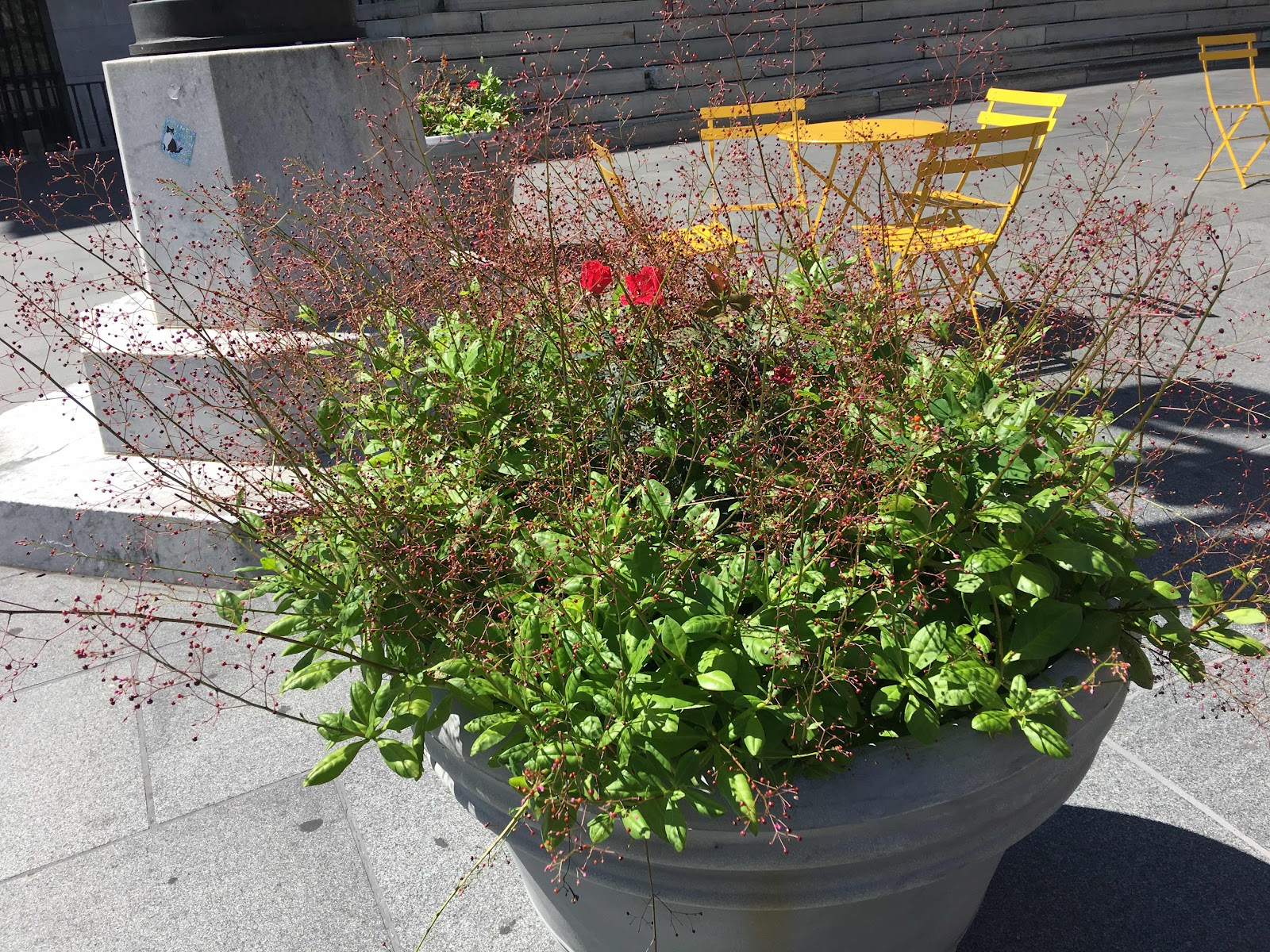
Nobody knew if a Talinong even grew from the site where the jewels of Opar were recovered. I saw Talinong adorned with its sapphire-colored globules at the courtyard of Brooklyn borrough hall in New York City almost two years ago and we both agreed we have come a long way from Barangay Urayong. My name is Ampalaya.
Monday, April 26, 2021
the opposite of child labor at Nomadland
I have had Amazon Prime longer that I have had Facebook. All these years I felt priveleged listening to
Friday, February 12, 2021
How to Start Farming
I love going back to this essay I wrote in my AFSCME Eng101 Free College Course Grid Challenge last year. Maybe Mr. B remembered this essay during the recent Robinhood App GME ruckus.
Farming is more
than the business of tilling the soil, growing crops, and raising livestock. It also encompasses an understanding and
application of business and economic concepts and the goal of farming to earn
profitable returns of investments. Farming which is investing, buying, selling,
and making profits from your produce is the same as investing in the stock
market. The stock market is where you
buy your seeds when you are ready to farm. Stock market indexes such as the Dow
Jones Industrial Average (DJIA) or simply referred to as Dow; the NASDAQ
Composite or Nasdaq; and S&P 500 Index may sound very complicated at first
but so are terms like labor-intensive ventures, irrigation, fertilizers,
compost, and manure. The following steps
are simple pointers to make trading stocks sound a little less daunting by equating
investing to farming:
1. Do
your research
Your friend plants
the seeds on your brain when he shares to you a link to the Robinhood app early
this year. You learn, with the help of
search engines, that Robinhood app is a commission-free trading app that lets
investors trade stocks, options, and exchange-traded funds. You decide not to
create an account on the app when you realize that you have to link your bank
account to that online trading tool. You wonder if that app is just another
social media platform or legitimate. You call your friend but he is ecstatic
over how much his Tesla stocks have gained over the last few months. He regrets
buying only five shares when the price was just over $100 last April. Today,
Tesla stocks are priced at $599.04 per share. You wake up. The first step in investing is making a plan
and setting your goals.
2. Build
your investing skills with more research
You link your bank
account to the Robinhood app investing account you created and you learn to
call it your brokerage account. You learn the difference between stocks and
stock mutual funds. You build your skills by reading every business section of
digital newspapers you could access to. You read somewhere that you are making
the most out of the news by capitalizing on it. You learn about choosing good
stocks for beginners like you. You learn about the best stock investments. You
continue with your investment education and wondering how soon you can apply
those investment theories you have come up to. You are beginning to relate to
economics better than you understood Econ101. The second step in investing is
knowing what you are getting into.
3. Set
a budget for your stock investments
You have been
buying stocks that are considered strong or moderate buys based on analyst
ratings, consensus, and forecast. Your
wife does not know that you have been investing on Robinhood app and you plan
to surprise her one day when you earn your first million. You bought 20 shares of
NIO at $27.39 a share last October but sold 10 shares at $32 a stock when you
thought that this upcoming Chinese electric vehicle is not
Tesla. You smack yourself on the head when you read that a NIO share will have
a median target of $300 and high estimate of $400 in the coming months. The
truth is, you are getting hooked to investing and becoming a gambler instead. The
third step in investing is setting a limit as to how much you can lose.
4. Learn
from your mistakes
You stop fretting
over your bullish and bearish gambits that resulted to minimal gains or losses
and go back to your investment education. Being bullish is being too optimistic
and overly confident and sure that the price of the stocks you bought will soar
like hawks in the sky looking for their prey. Bearish in stock market terms is
being pessimistic and passive like a hibernating bear. Do not be bullish one
day and be bearish the next. Diversify
your portfolio and keep studying the stocks you are planning to buy. The fourth
step in investing is figuring out your own trading strategies by experiential
learning.
5. Do
not leave your day job
It may be too soon to think of changing careers even if you strongly believe that you have become a very successful investor. If you are doing well in your investing, be aware that you might be paying taxes about a third of the value of your capital gains if you plan to liquidate your assets and withdraw them. In investing, think in terms of risks rather than returns. Another key word in investing is volatility which is defined as the market’s tendency to be unpredictable. The last step in investing is to continue to investing, watching your investments grow, and appreciating the things you normally do while looking for other diversions to enjoy, like getting a life!